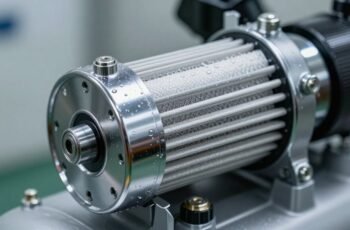
An air compressor regulator plays a vital role in ensuring your tools operate efficiently and safely by maintaining consistent air pressure. Its function is to detect pressure fluctuations and adjust flow accordingly, preventing damage caused by over- or under-pressurization. Understanding how these components work can help you optimize system performance and extend equipment lifespan. To fully grasp their importance, it’s essential to explore how regulators control pressure and the signs indicating when they need attention.
Key Takeaways
- Controls and adjusts the airflow pressure to ensure tools operate within safe and efficient pressure ranges.
- Responds to pressure fluctuations to maintain a consistent output despite demand changes.
- Uses sensing mechanisms like diaphragms or pistons to regulate internal valve positions.
- Prevents over-pressurization that can cause damage to tools and compressor components.
- Helps prolong equipment lifespan by maintaining proper pressure and reducing mechanical stress.
What Is an Air Compressor Regulator and How Does It Work?
Have you ever wondered how air compressors maintain consistent pressure levels during operation? An air compressor regulator is a control device that manages airflow by adjusting the pressure delivered to tools or systems. It works through a sensing mechanism, typically a diaphragm or piston, which detects downstream pressure. When the pressure exceeds the set point, the regulator’s valve closes, reducing airflow. Conversely, if pressure drops below the desired level, the valve opens, allowing more air in. This feedback loop guarantees a stable output pressure, regardless of fluctuating input or demand. The regulator’s internal components, including spring-loaded valves and diaphragms, facilitate rapid, precise adjustments. This technical process maintains operational consistency, preventing pressure surges or drops that could compromise performance or safety.
Why Is Maintaining Proper Air Pressure Important?
Maintaining proper air pressure is essential for maximizing equipment longevity and ensuring reliable operation. Consistent pressure levels prevent undue stress on components and reduce the risk of failure. By optimizing performance, we can achieve more precise results and extend the lifespan of the compressor and related tools.
Ensures Equipment Longevity
Proper air pressure is essential to prevent undue stress on compressor components, thereby extending the lifespan of the equipment. Consistent pressure levels reduce mechanical strain on pistons, valves, and seals, minimizing wear and tear. When pressure fluctuates outside ideal ranges, components experience excessive fatigue, increasing the risk of failure. Maintaining stable pressure through an effective regulator ensures that internal parts operate within their designed tolerances, reducing the likelihood of overheating or premature degradation. Additionally, proper pressure regulation helps prevent internal corrosion caused by moisture buildup, which is more likely when pressure settings are inconsistent. By preserving the integrity of internal components and minimizing stress-induced damage, a well-regulated system enhances overall durability, ultimately lowering maintenance costs and maximizing equipment lifespan.
Promotes Optimal Performance
Consistent air pressure directly influences the efficiency and effectiveness of compressed air tools and systems. Proper regulation guarantees tools operate within their ideal pressure ranges, preventing underperformance or damage. When pressure is too low, tools may lack sufficient force, reducing productivity and precision. Conversely, excessive pressure can strain components, causing premature wear or failure. Maintaining precise pressure levels maximizes energy consumption by avoiding unnecessary compressor workload. It also ensures consistent operation, which is critical for tasks requiring accuracy and quality. An air compressor regulator maintains this balance, enabling tools to function at their peak efficiency. Ultimately, consistent, well-regulated pressure minimizes downtime, prolongs equipment lifespan, and sustains high-quality output, making it essential for reliable and cost-effective compressed air system performance.
How Does an Air Compressor Regulator Control Pressure?
An air compressor regulator controls pressure primarily by adjusting pressure settings to match operational requirements. It maintains a consistent output by responding to fluctuations in demand, ensuring stable performance. Additionally, it regulates airflow to optimize efficiency and prevent over-pressurization.
Adjusts Pressure Settings
To effectively control pressure, an air compressor regulator adjusts the airflow by modulating a diaphragm or piston mechanism in response to the desired output setting. When we turn the pressure control knob, it changes the tension on a spring, which in turn alters the position of the diaphragm or piston. This movement either opens or closes the internal valve, regulating the volume of compressed air passing through the system. As pressure increases, the mechanism responds by reducing airflow, preventing over-pressurization. Conversely, lowering the setting allows more air to flow, increasing pressure until the target is reached. This precise adjustment mechanism guarantees the system maintains the set pressure, enabling tools and equipment to operate effectively without risking damage or inefficiency.
Maintains Consistent Output
Once the pressure setting is adjusted, the regulator continuously monitors the system’s output to maintain a steady pressure level. It uses a feedback mechanism to compare the actual pressure against the set point. When fluctuations occur, the regulator responds by adjusting the flow of compressed air to stabilize pressure. This dynamic control prevents pressure drops or spikes, guaranteeing consistent performance. The precision of this process is crucial for applications requiring uniform airflow and pressure-dependent operations. The regulator’s internal components, such as the sensing element and control valve, work in tandem to sustain this stability. Proper calibration and maintenance are necessary to ensure the regulator performs accurately within specified parameters.
- Feedback loop adjusts flow based on real-time pressure data
- Internal components respond rapidly to pressure fluctuations
- Consistent output prevents damage and optimizes efficiency
Regulates Air Flow
How does an air compressor regulator precisely control pressure? It modulates airflow by adjusting a valve that responds to downstream pressure feedback. When pressure drops below the set point, the regulator opens to increase airflow; when it exceeds the target, it closes to restrict flow. This dynamic adjustment maintains a stable pressure environment. The control mechanism typically involves a spring-loaded diaphragm or piston connected to a valve; as pressure fluctuates, the diaphragm moves, altering the valve’s position accordingly. This feedback loop ensures continuous regulation, preventing pressure surges or drops that could damage tools or compromise performance. By fine-tuning airflow, the regulator maintains consistent pressure levels, optimizing tool operation and safety while minimizing energy waste.
What Are Common Types of Air Compressor Regulators?
There are several common types of air compressor regulators, each designed to control and maintain specific pressure levels within a system. These regulators vary based on their design, precision, and application. Understanding these differences helps optimize system performance and safety.
- Diaphragm Regulators: Utilize a flexible diaphragm to adjust pressure, offering reliable and precise regulation, ideal for sensitive tools.
- Piston Regulators: Use a piston mechanism for pressure adjustment, suitable for high-flow applications with less sensitivity to small pressure changes.
- Knob or Manual Regulators: Feature a manual adjustment knob, providing straightforward control but requiring user intervention for pressure setting.
Each type serves specific operational needs—selecting the right one depends on system requirements and desired regulation accuracy.
How Do You Adjust and Set Your Air Compressor Regulator?
To properly adjust and set your air compressor regulator, it’s essential to understand the specific pressure requirements of your tools and system. First, consult the manufacturer’s specifications for ideal PSI levels. Connect your regulator to the compressor, then turn the pressure adjustment knob counterclockwise to decrease pressure or clockwise to increase it. Use the pressure gauge to monitor the output pressure continuously. Gradually adjust until the gauge reads the desired PSI, ensuring it’s within the safe operating range of your tools. Once set, lock the adjustment if your regulator has a lock feature. Regularly verify the pressure during operation, especially if you notice inconsistent tool performance. Precision in these steps guarantees efficient tool operation and prevents damage caused by improper pressure settings.
What Are Signs of a Failing or Malfunctioning Regulator?
A failing or malfunctioning air compressor regulator often exhibits several clear signs that indicate it’s no longer operating correctly. One primary indicator is inconsistent pressure output, leading to fluctuations in tool performance. Additionally, if you notice the regulator making unusual noises or if it feels excessively hot, these are signs of internal failure or blockage. Leaking around the regulator body or pressure relief valve suggests compromised seals or connections. Finally, a sudden drop in regulated pressure or an inability to maintain set pressure levels indicates internal component failure, such as a worn diaphragm or faulty spring. Recognizing these signs early helps prevent further damage to the compressor system and guarantees maximum operation. Regular inspection and prompt troubleshooting are essential for maintaining regulator performance.
How Can Proper Regulator Maintenance Improve Tool Longevity?
Maintaining the regulator properly is essential because it directly affects the consistency and quality of the compressed air delivered to tools. When the regulator functions correctly, it guarantees ideal pressure regulation, reducing undue stress on connected equipment. Precise pressure control minimizes wear and tear on tools, preventing premature failure caused by over-pressurization. Regular maintenance, including inspecting for leaks, cleaning, and calibrating the regulator, preserves its accuracy and responsiveness. This consistency in airflow diminishes fluctuations that can cause mechanical strain or inefficiencies within tools. Over time, well-maintained regulators sustain stable operating conditions, reducing the likelihood of component fatigue and extending the lifespan of both the regulator and connected tools. Effective maintenance, thus, directly correlates with enhanced durability and operational reliability.
When Should You Replace Your Air Compressor Regulator?
Determining the appropriate time to replace an air compressor regulator is critical for maintaining ideal system performance and preventing equipment failure. Regular inspection for signs of wear guarantees peak operation. Replacement should be considered when the regulator exhibits inconsistent pressure regulation, persistent leaks, or physical damage. Over time, internal components degrade, leading to inaccurate pressure control, which can compromise tool efficiency and safety. Additionally, corrosion or contamination indicates the need for replacement to prevent system contamination. Timely replacement minimizes downtime and avoids costly repairs. Regular maintenance and monitoring of pressure stability are essential for identifying when a regulator no longer functions within specified parameters.
- Inconsistent pressure regulation
- Persistent leaks or damage
- Corrosion or contamination
Frequently Asked Questions
Can an Air Compressor Regulator Be Used for Different Tools Simultaneously?
Yes, an air compressor regulator can be used for different tools simultaneously if it’s designed with multiple outlets and appropriate pressure settings. We analyze tool requirements carefully to guarantee consistent, safe operation across all connected devices.
What Safety Precautions Should I Follow When Adjusting the Regulator?
We guarantee safety by wearing eye protection, turning off the compressor before adjustments, gradually adjusting the regulator to prevent sudden pressure changes, and confirming pressure stability before resuming work, minimizing risks associated with improper regulator handling.
How Often Should I Calibrate or Check My Regulator’s Accuracy?
We suggest calibrating or verifying your regulator’s accuracy monthly, like tuning a finely crafted instrument. Regular assessments guarantee precise pressure control, preventing system inefficiencies or damage, and maintaining ideal performance and safety standards in your compressed air setup.
Are There Specific Brands Known for Reliable Compressor Regulators?
We recommend brands like Ingersoll Rand, DeWalt, and Campbell Hausfeld for reliable compressor regulators, as they consistently demonstrate durability, precise pressure control, and positive user reviews, ensuring stable operation and long-term performance in various industrial and DIY applications.
What Is the Typical Lifespan of an Air Compressor Regulator?
On the dot, most air compressor regulators last about 5 to 10 years with proper maintenance. We understand that, but neglect can cut that time short, so regular inspections and part replacements are essential for longevity.
Conclusion
In summary, an air compressor regulator plays a crucial role in maintaining consistent, safe pressure levels that optimize tool performance and lifespan. For instance, a workshop that neglected regulator maintenance experienced frequent tool failures due to pressure fluctuations. Regular checks and proper adjustments ensure reliability and efficiency. Understanding its function allows us to prevent damage, extend equipment life, and maintain safe working conditions, ultimately leading to more precise and cost-effective operations.