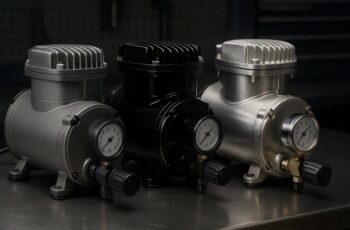
Did you know that improper air compressor maintenance can boost energy use by up to 30%? We’re outlining a disciplined schedule that blends daily checks, weekly and monthly tasks, and seasonal benchmarks so nothing slips through the cracks. We’ll track pressures, temperatures, leaks, and belt wear, log trends, and assign clear owners for each action. If we keep this approach tight, we’ll nip issues in the bud and unlock higher uptime—but there’s more we need to cover to get it right.
Key Takeaways
- Establish daily, weekly, monthly, and seasonal maintenance tasks aligned with compressor type (piston, rotary screw, scroll) and manufacturer guidance.
- Track and log pressures, temperatures, and vibration trends to detect deviations and schedule timely interventions.
- Schedule lubrication, belt/tactory drive checks, and filter changes around duty cycles to minimize downtime.
- Conduct safety interlocks, leak checks, and gauge calibration to maintain reliable and safe operation.
- Plan preventive maintenance with budgeting, spare parts planning, and performance reviews to optimize uptime and efficiency.
What a Compressor Maintenance Schedule Should Cover
A compressor maintenance schedule should cover every element essential to reliability and performance, from daily checks to periodic inspections. We approach this with a precise, methodical mindset, addressing system integrity, lubrication, and component wear. We establish clear intervals for oil changes, filter replacements, and coolant assessments, tying tasks to measured performance indicators. Oil viscosity matters because wrong viscosity accelerates wear and reduces efficiency, so we specify grade, temperature range, and replenishment methods. We verify seal compatibility when selecting replacements, ensuring material fit to pressures and media. We document torque specs, vibration trends, and leak detection results to track trends over time. We assign responsibilities, set escalation criteria, and confirm accessibility of spare parts. Our aim is consistent operation, predictable downtime, and sustained performance through disciplined scheduling.
Daily Checks for Reliable Operation
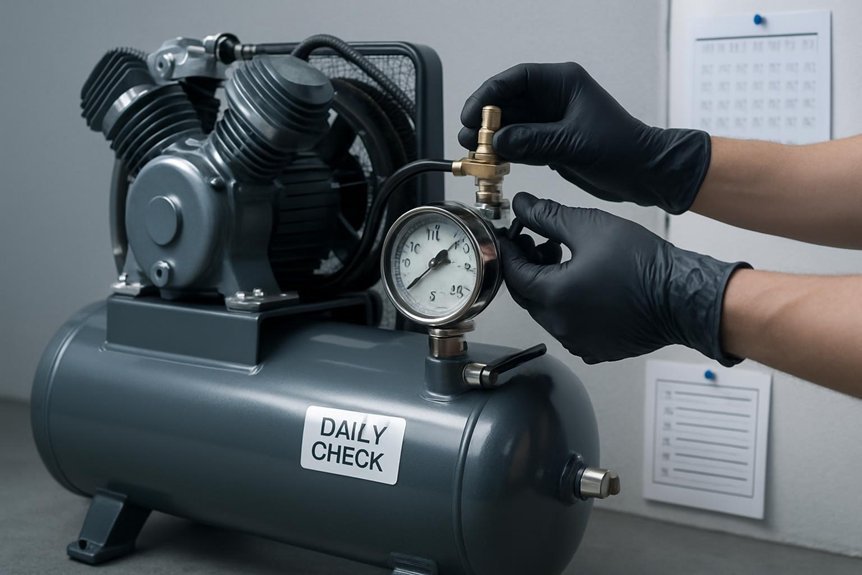
Do we start each shift with a quick, disciplined check to confirm the compressor is ready for service? Yes, and we keep it tight. Our daily checks focus on reliability, not guesswork. We verify airflow consistency and listen for anomalies that signal wear or obstruction. We confirm gauges, belts, and lubricants are within spec, and we inspect connections for leaks. We also confirm safety devices are functional and the intake and exhaust paths are clear.
- Confirm air flow readings stay steady and within tolerance.
- Inspect mounting, belts, and motor for alignment and wear.
- Check vibration damping and mount integrity to minimize transmit and noise.
Weekly and Monthly Tasks to Reduce Downtime
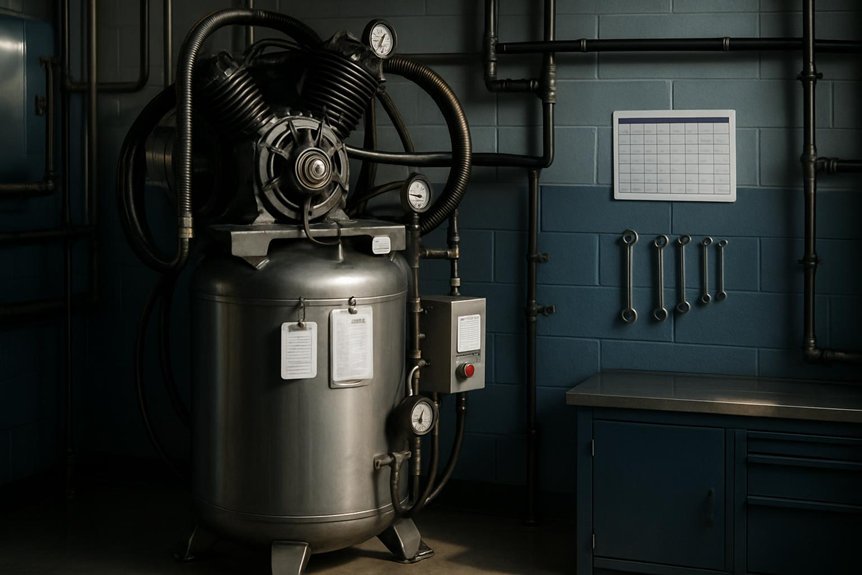
Weekly and monthly tasks are our proactive valve against downtime: we schedule and perform them systematically to prevent unexpected failures and keep the system running smoothly. We approach these cycles with disciplined checklists, documenting outcomes, and assigning owners for each action. Weekly, we verify pressures, inspect belts, and test safety interlocks, logging any deviations. Monthly, we drain condensate, recalibrate gauges, and review filter condition, ensuring cleanliness and correct settings. We integrate maintenance budgeting and spare parts planning to minimize procurement gaps, prioritizing critical components for fast replacement. We measure energy efficiency and pursue noise reduction opportunities, adjusting flow paths and cooling as needed. This disciplined cadence reduces surprises, shortens repair timelines, and sustains peak performance across the fleet without compromising reliability.
Seasonal and Annual Service Benchmarks
With weekly and monthly tasks already established, we expand our focus to Seasonal and Annual service benchmarks to sustain reliability and efficiency across the year. We outline concise milestones that prevent drift, extend life, and reduce downtime.
1) Seasonal calibration: verify pressures, adjust regulators, and confirm gauge accuracy before peak usage.
2) Mid-year checks: perform an annual inspection of belts, cooling, and electrical connections; document findings.
3) End-of-year review: consolidate performance data, schedule major component replacements as needed, and plan next year’s calendar.
These benchmarks keep the system synchronized with demand, ensuring consistent output and energy efficiency. By staying proactive, we detect wear early, minimize surprises, and uphold safe operation.
Tailoring the Plan to Your Compressor Type
We tailor our maintenance plan to your compressor type, focusing on type-specific guidance and the components that drive performance. By outlining precise maintenance actions for each model, we guarantee the schedule aligns with your equipment’s design and operating conditions. This approach keeps our process efficient, proactive, and free of unnecessary steps.
Type-Specific Maintenance
How does your compressor’s type shape the maintenance plan? Our approach adapts to each model, ensuring a precise, type-specific cadence that minimizes downtime and extends life. We assess operating principles, lubrication needs, and cooling behavior to craft a tailored maintenance cadence you can trust.
- Identify core differences between piston, rotary screw, and scroll units, then map routine tasks to each design.
- Align filter, oil, and belt checks with manufacturer guidance to avoid over- or under-servicing.
- Schedule preventive tasks around load cycles and duty patterns to maintain consistent performance.
Component-Based Scheduling
Are we tailoring maintenance to every component to maximize reliability and minimize downtime? Yes. Component-based scheduling means we map tasks to each subsystem, not just the overall unit. We begin by identifying critical components—driven by failure history and impact on output—and assign a precise maintenance cadence for each. This approach prevents over-maintenance and gaps that compromise performance. We align inspection intervals with actual wear, vibration, temperature, and contamination trends observed in our data. We incorporate lubrication guidelines for bearings, gears, and pumps, ensuring proper lubrication type, grade, and intervals are followed. Documentation becomes our compass: we record findings, adjust intervals, and verify effectiveness after each cycle. The result: cleaner logs, faster fault detection, and predictable uptime.
Common Pitfalls and Quick Troubleshooting Tips
We’ll start by calling out common pitfalls to avoid and how quick checks can catch them early. Then we’ll lay out straightforward troubleshooting steps you can apply right away, followed by preventive maintenance tips to keep performance steady. We’ll keep the focus on clarity, concrete actions, and measurable results so you can act with confidence.
Common Pitfalls To Avoid
Common pitfalls can derail even well-planned maintenance, so let’s spot them early and act fast. We’ll keep our focus tight to prevent wasted time and protect performance. To stay precise, we avoid overreacting to minor fluctuations and misinterpreting indicators. Instead, we follow a disciplined check cadence and verify readings against baseline specs.
1) Misreading gauges or alarms, leading to unnecessary actions rather than targeted fixes.
2) Skipping routine calibration or filter changes, causing efficiency loss over time.
3) Overcomplicating routines with excessive adjustments, which borders on avoiding overmaintenance.
Quick Troubleshooting Steps
There are a few quick, proven steps we can take when a compressor acts up, and we’ll start with the basics before chasing distant causes. First, verify power and wiring, then check fuses, breakers, and outlet condition to rule out supply issues. Listen for unusual noises, monitor vibration, and inspect belts or pulleys for wear or misalignment. If pressures are off, confirm correct gauge readings and assess the regulator setting. For output problems, inspect intake and exhaust paths for obstructions and ensure clean, dry air is reaching the unit. When concerns arise, consider drying methods to prevent moisture-related faults and review lubricant selection to ensure proper lubrication intervals. Document findings, address root causes promptly, and test performance after each adjustment.
Preventive Maintenance Tips
Ever wonder why small maintenance lapses cause big downtime later? We’ll show how preventive maintenance tips keep your system reliable and ready. Our approach is precise: predictable checks, documented results, and disciplined follow-through. By focusing on common pitfalls, we prevent costly shocks and extend component life. Stay proactive with a clear plan that prioritizes preventive care and steady maintenance scheduling.
- Inspect filters and belts monthly, replacing as needed to maintain airflow and efficiency.
- Log pressures, temperatures, and vibration trends to spot anomalies before they become failures.
- Schedule hydraulic and lubrication intervals around duty cycles to minimize wear and maximize uptime.
Together, these steps form a disciplined routine that reduces surprises, supports uptime, and keeps your compressor in peak condition.
Frequently Asked Questions
How Often Should Emergency Shutdown Tests Be Performed?
We perform emergency shutdown tests monthly, as part of our maintenance intervals, to verify reliability. We routinely document results, address any faults promptly, and adjust schedules if performance dips, ensuring safe, dependable operation for you and our team.
What Is the Ideal Replacement Interval for Compressor Belts?
We’d say belt longevity is typically 2–5 years, depending on load and environment; replace proactively. We’ll monitor pulley alignment closely and schedule changes before failure, performing routine inspections to keep our system humming smoothly.
How Can I Extend Moisture Separator Life Between Services?
We can extend moisture separator life by tightening maintenance frequency to monthly checks, monitor filtration efficiency, replace elements promptly, and follow strict service intervals; we’ll document findings, optimize airflow paths, and verify condensate drains for consistent performance.
Do Vibration Analyses Require Specialized Equipment?
Vibration analysis can be done without specialized equipment, but precision improves with it; we’ll balance simple checks against advanced sensors, pairing quick spot-tests with calibrated tools, ensuring proactive maintenance rather than reactive fixes for reliable performance.
When Should Professional Calibration of Gauges Occur?
We should schedule professional calibration whenever gauge accuracy degrades or drifts beyond tolerance, typically annually or after major service, to verify reliability and prevent errors in readings that affect our maintenance decisions.
Conclusion
We’ve laid out a precise, proactive path for your compressor maintenance, one that keeps uptime steady and efficiency high. By tracking pressures, temps, and trends, we quietly steer clear of surprises, addressing wear before it bites. With disciplined daily checks, timely weekly tasks, and thoughtful seasonal benchmarks, you’ll avoid costly downtime and optimize performance. If issues appear, we’ll approach them with measured steps, rechecking alignments, belts, and leaks. In short, a well-tuned system speaks softly but reliably.