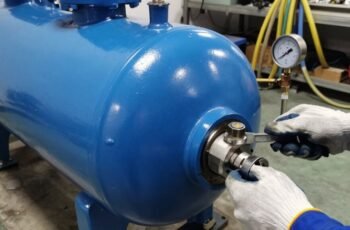
Like a captain must understand the vessel to navigate safely, we must grasp the intricacies of air compressor tanks to guarantee peak performance. Choosing the right tank involves analyzing multiple technical factors—size, material, safety features—that directly impact efficiency and longevity. Each decision carries implications for safety, cost, and operational reliability. Understanding these elements is essential before making an informed selection, but where should we begin to untangle this complex process?
Key Takeaways
- Determine the required tank size based on airflow demand, duty cycle, and application workload.
- Choose a material (steel, aluminum, stainless steel) considering durability, weight, and corrosion resistance.
- Ensure the tank’s pressure rating matches or exceeds your system’s maximum operating pressure for safety.
- Select a design (vertical or horizontal) suited to space constraints and maintenance preferences.
- Incorporate safety features like drain valves, pressure gauges, and relief valves for optimal system safety and monitoring.
How Do You Determine the Right Size for Your Air Compressor Tank?
When selecting the appropriate size for an air compressor tank, it’s essential to analyze your specific operational requirements, including airflow demand and continuous usage patterns. To determine the correct size, we evaluate the average and peak airflow needs of your tools and processes, ensuring the tank can supply consistent pressure without frequent cycling. Larger tanks reduce compressor cycling frequency, improving efficiency and lifespan, but may add unnecessary bulk if your demand is low. Conversely, undersized tanks cause pressure fluctuations and stress on the compressor. We also consider the application’s duty cycle, ensuring the tank’s volume aligns with the runtime requirements. Precise sizing balances operational stability with system efficiency, preventing pressure drops and minimizing equipment wear.
What Materials Are Best for Air Compressor Tanks and Why?
Selecting the appropriate material for an air compressor tank is essential for ensuring durability, safety, and longevity. Steel is the most common choice due to its high strength-to-weight ratio, corrosion resistance when properly coated, and structural integrity under high pressure. Aluminum is an alternative, offering lighter weight and excellent corrosion resistance, but it tends to be more expensive and less robust under extreme pressure fluctuations. Stainless steel provides superior corrosion resistance and durability but at a higher cost, making it suitable for specialized environments. The choice of material directly impacts the tank’s lifespan, maintenance needs, and safety margins. Ultimately, understanding the specific operational conditions and pressure requirements helps us determine the most suitable material, balancing cost, weight, and resilience.
How Does Tank Portability Affect Your Choice?
The portability of an air compressor tank directly influences how and where it can be used, which in turn impacts the choice of material. Lightweight, portable tanks typically require materials that balance durability with reduced weight, such as certain aluminum alloys. These materials resist corrosion and withstand transport stresses while remaining manageable. Conversely, stationary tanks often prioritize structural strength over weight, making heavier steel a practical choice. Portability also affects design features, such as integrated handles, wheels, or compact dimensions, which are easier to incorporate in lighter tanks. The need for frequent movement demands a focus on ease of transportation, influencing material selection and overall construction. Ultimately, the tank’s intended mobility determines the most suitable material to guarantee safety, durability, and practicality.
Why Is Maximum Pressure Rating Important When Choosing a Tank?
Maximum pressure rating is a critical factor in choosing an air compressor tank because it directly influences safety and performance. It determines the maximum pressure the tank can withstand without risk of failure. Selecting a tank with an inadequate pressure rating can lead to catastrophic rupture or leaks, jeopardizing safety and damaging equipment. Conversely, a tank rated too high may be unnecessarily costly and heavy. To clarify, consider the following:
| Tank Rating (PSI) | Typical Use Case | Safety Margin |
|---|---|---|
| 150 PSI | Light-duty tasks | 25% above working pressure |
| 200 PSI | Medium-duty tasks | 30% above working pressure |
| 300 PSI | Heavy-duty tasks | 50% above working pressure |
How Do Different Tank Designs Impact Performance and Safety?
Different tank designs greatly influence both performance and safety by affecting factors such as durability, weight, and pressure distribution. Vertical tanks typically offer better space efficiency and can handle higher pressure strengths due to their evenly distributed stress points, enhancing safety. Horizontal tanks, on the other hand, provide increased stability and ease of maintenance but may be more susceptible to deformation under stress if not properly reinforced. The shape and construction material directly impact durability; for instance, thicker steel tanks resist corrosion and mechanical damage better, increasing lifespan and safety margins. Additionally, tank design influences heat dissipation; well-designed tanks prevent overheating, reducing the risk of pressure-related failures. Overall, selecting a design aligned with application demands guarantees ideal performance and minimizes risk factors.
What Role Does Air Delivery Rate Play in Selecting a Tank?
When selecting an air compressor tank, understanding the air delivery rate is essential because it directly influences the tank’s capacity to sustain consistent airflow under load. The delivery rate determines how much compressed air the system supplies per minute, affecting the tank’s ability to buffer pressure fluctuations and meet operational demands. A higher delivery rate indicates the compressor can replenish air quickly, reducing pressure drops during peak demand. Conversely, a lower rate may cause frequent cycling and pressure instability. To optimize performance, the tank should be matched to the compressor’s delivery specifications and the specific application’s airflow requirements. Precise alignment ensures efficient operation, minimizes wear, and prevents system bottlenecks, making the air delivery rate a critical factor in tank selection.
How Can You Evaluate the Durability and Longevity of a Tank?
Evaluating the durability and longevity of an air compressor tank requires a thorough examination of its construction materials, manufacturing standards, and maintenance history. We should scrutinize the material composition—preferably high-quality steel or aluminum—to assess corrosion resistance and structural integrity under pressure cycles. Confirm that the tank complies with recognized standards such as ANSI/UL or ASME, ensuring adherence to safety and durability benchmarks. Inspection of manufacturing records can reveal potential flaws or deviations in quality control. Additionally, analyzing the maintenance history—such as regular inspections, cleaning, and corrosion prevention—provides insight into ongoing durability. Ultimately, a combination of material quality, certified standards, and proper maintenance determines a tank’s capacity to withstand operational stresses over time.
What Are the Safety Features to Look for in an Air Compressor Tank?
Ensuring safety in an air compressor tank is paramount, and several key features serve as critical safeguards against potential failures. Pressure relief valves are essential; they automatically vent excess pressure to prevent tank rupture under over-pressurization. Safety relief valves must be rated appropriately for the tank’s maximum pressure and regularly tested for proper operation. Another crucial feature is the tank’s pressure gauge, which provides real-time monitoring and early warning of abnormal pressure buildup. Additionally, tanks should have robust construction with reinforced seams and corrosion-resistant coatings to withstand internal and external stresses over time. Leak detection systems or visual inspection ports help identify deterioration before catastrophic failure. These safety features collectively minimize risks, ensuring reliable operation and protecting operators from potential hazards.
How Do Cost and Budget Influence Your Tank Selection?
Cost and budget considerations considerably shape the selection process for an air compressor tank, as they determine the range of options available and influence the balance between features, durability, and safety. A higher budget typically allows for tanks constructed from premium materials, such as thicker steel or corrosion-resistant coatings, which enhance longevity and safety margins. Conversely, budget constraints may necessitate choosing more economical models with thinner walls or less advanced corrosion protection, potentially impacting lifespan and maintenance costs over time. Weighing initial investment against long-term operational expenses is vital; cheaper tanks might incur higher replacement or repair costs, whereas premium tanks often offer better durability and safety features upfront. Ultimately, aligning the tank’s specifications with financial constraints guarantees a technically sound, cost-effective selection.
Which Additional Features Should You Consider for Your Specific Needs?
What additional features should we prioritize to meet our specific operational needs when selecting an air compressor tank? First, a drain valve is essential for moisture removal, preventing corrosion. Second, a pressure gauge allows real-time monitoring, ensuring safe operation and peak performance. Third, an inspection port provides easy access for routine checks, reducing downtime. Fourth, a thermal relief valve safeguards against overpressure caused by heat buildup, protecting both the tank and operators. These features enhance safety, maintenance efficiency, and system reliability. By considering these technical enhancements, we tailor the tank to specific demands, whether for continuous industrial use or intermittent tasks. Prioritizing these features ensures that the compressed air system functions efficiently and safely, aligning with operational requirements.
Frequently Asked Questions
How Often Should I Perform Maintenance on My Air Compressor Tank?
We recommend inspecting and draining moisture from the tank weekly, performing a thorough internal check every six months, and following the manufacturer’s maintenance schedule diligently to guarantee peak performance and prevent corrosion or potential failures.
Can I Customize or Modify My Air Compressor Tank?
We can customize or modify our air compressor tanks, but with 85% of tank failures linked to improper modifications, we emphasize consulting professionals and adhering to safety standards to guarantee reliable, safe operation.
What Signs Indicate My Tank Needs Replacement?
We notice corrosion, persistent leaks, pressure drops, or excessive vibration as signs that our tank needs replacing, indicating structural failure or compromised integrity. Regular inspections help us identify these issues early, ensuring safety and ideal compressor performance.
Are There Industry Standards I Should Verify for Safety Compliance?
Think of industry standards as the safety net that catches us before we fall. We verify compliance with ASME, OSHA, and ANSI standards, ensuring our tanks are built to withstand pressure, maintain safety, and operate efficiently.
How Does Ambient Temperature Affect Tank Performance?
Ambient temperature considerably impacts tank performance by affecting air pressure and moisture levels; higher temperatures increase pressure and moisture, risking corrosion or failure, while lower temperatures reduce efficiency. We must account for these variations in our system design.
Conclusion
Ultimately, selecting the right air compressor tank is about aligning technical specifications with operational realities. By carefully weighing size, material, safety features, and budget, we can optimize performance and longevity. Thoughtful consideration of design and safety guarantees reliable, efficient operation while minimizing risks. Taking a detailed, analytical approach allows us to make informed choices that support long-term productivity and safety, turning complex decisions into strategic investments for your compressed air system.