Ensuring the safe operation of an air compressor tank requires strict adherence to maintenance and inspection protocols. Regular checks for corrosion, cracks, or dents are critical, as is testing safety valves to confirm proper function. Proper handling during maintenance, correct venting procedures, and vigilant monitoring of pressure levels help prevent catastrophic failures. Understanding these safety practices is essential, but knowing how to implement them effectively can be complex—let’s examine the key points that can make all the difference.
Key Takeaways
- Regularly inspect tanks for corrosion, cracks, dents, and other damages; address issues promptly to prevent failure.
- Test safety relief valves periodically to ensure proper venting and avoid over-pressurization.
- Drain moisture from the tank weekly to prevent internal rust and structural weakening.
- Depressurize the tank completely before maintenance, draining, or moving to ensure safety.
- Follow proper procedures during venting and draining, and avoid blocking safety devices to prevent accidents.
Understanding Air Compressor Tanks and Their Safety Risks
While air compressor tanks are essential for storing compressed air, they also pose significant safety risks if not properly understood and maintained. These tanks are designed to withstand high internal pressures, but material fatigue, corrosion, and manufacturing defects can compromise their integrity over time. Excessive pressure buildup or unnoticed damage may lead to catastrophic failure, risking injury and property damage. Proper understanding of tank specifications, including maximum working pressure and volume, is critical for safe operation. Over-pressurization beyond manufacturer limits increases the risk of rupture. Additionally, corrosion inside the tank weakens structural strength, especially in humid environments. Recognizing these risks emphasizes the importance of correct tank design, material quality, and adherence to safety standards to prevent accidents.
How to Inspect and Maintain Your Air Compressor Tank Properly
Regular inspection and maintenance are essential for ensuring the safety and longevity of your air compressor tank. We recommend performing visual inspections monthly to check for corrosion, cracks, or signs of wear. Use a flashlight to examine weld seams and internal surfaces if accessible. Drain accumulated moisture from the tank regularly, at least weekly, to prevent corrosion caused by condensation. Conduct ultrasonic testing or thickness gauging annually to assess wall integrity, especially for tanks exposed to harsh environments. Always verify the integrity of mounting brackets and safety labels. Keep records of inspections and repairs for traceability. Proper maintenance also includes cleaning external surfaces to prevent dirt buildup, which can hide corrosion. Consistent, precise inspections and maintenance practices are crucial for safe operation and extending your tank’s service life.
The Importance of Pressure Relief Valves and How to Use Them Safely
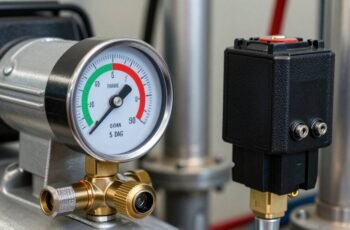
Pressure relief valves are critical safety devices that prevent over-pressurization of air compressor tanks, which can lead to catastrophic failure. They are designed to automatically release excess pressure once it exceeds a preset limit, guaranteeing the tank remains within safe operational parameters. Proper installation is essential; relief valves must be compatible with the tank’s pressure ratings and securely fitted to prevent leaks. Regular testing is vital—simply lift the valve’s test lever periodically to verify functionality and confirm it vents correctly. Never block or bypass the relief valve, as this compromises safety. Maintaining the valve’s cleanliness and inspecting for corrosion or damage is crucial to its proper operation. Adhering to manufacturer guidelines guarantees the valve’s reliability and your safety.
Best Practices for Draining and Venting Air From the Tank
To guarantee ideal safety and performance, we must routinely drain and vent air from the compressor tank to remove accumulated moisture and prevent corrosion. First, verify the tank is fully depressurized before draining. Open the drain valve slowly to release moisture and trapped air, monitoring for a steady flow to avoid sudden releases. Use a pressure gauge to confirm pressure levels before venting, and always wear appropriate personal protective equipment. Regularly inspect the drain valve and venting mechanisms for blockages or damage, replacing faulty components promptly. After draining, close the valve securely to prevent leaks. Venting should be performed in a controlled manner, ensuring no residual pressure remains. Consistent adherence to these practices minimizes corrosion risk and maintains compressor efficiency.
Recognizing Signs of Damage or Wear That Require Immediate Attention
We need to regularly inspect our compressor tanks for visible cracks, dents, or signs of structural damage that could compromise safety. Unusual noises during operation or excessive rust and corrosion also indicate potential issues requiring immediate attention. Addressing these signs promptly helps prevent catastrophic failures and guarantees safe, reliable performance.
Visible Cracks or Dents
Visible cracks or dents on an air compressor tank are clear indicators of structural compromise that demand immediate inspection. These deformations weaken the tank’s integrity, increasing the risk of failure under pressure. Recognizing these signs early is crucial for safety.
- Hairline or deep fissures running across the tank’s surface
- Dents that distort the tank’s shape or cause bulging
- Sharp edges or cracking around weld seams
- Dents accompanied by corrosion or rust at the affected site
Such damage compromises the tank’s ability to withstand operational pressure, potentially leading to catastrophic failure. Any visible crack or dent should prompt an immediate shutdown and professional assessment before further use. Ensuring prompt action helps prevent accidents and extends equipment lifespan.
Unusual Noises During Operation
Unusual noises during compressor operation often signal underlying issues that require immediate inspection. Clanking, banging, or hissing sounds can indicate internal component damage, such as worn piston rings, loose valves, or a compromised cylinder head. Whining or high-pitched noises may suggest bearing failures or misaligned rotors. These sounds typically result from mechanical wear, debris intrusion, or insufficient lubrication, all of which compromise safe operation. Ignoring such noises can lead to catastrophic failure, including tank rupture. Consequently, upon detecting atypical sounds, shut down the compressor promptly and conduct a thorough inspection. Check for loose fittings, damaged internal parts, or signs of excessive vibration. Addressing these issues early helps prevent safety hazards and extends the equipment’s operational lifespan.
Excessive Rust or Corrosion
Excessive rust or corrosion on an air compressor tank signals significant deterioration that can compromise structural integrity and safety. Rust appears as reddish-brown patches, while corrosion may cause pitting, flaking, or surface roughness. These indicators suggest material weakening, increasing the risk of tank failure.
Signs to watch for include:
- Visible rust patches or flaking paint
- Pitting or holes on the tank surface
- Discoloration or surface bubbling
- Unusual odors or moisture accumulation around the tank
Immediate action is necessary if these signs are present. Corrosion weakens the tank’s metal, risking rupture or explosion under pressure. Regular inspections and prompt maintenance are critical to ensure safe operation and prevent catastrophic failure.
Safe Storage and Handling of Air Compressor Tanks
Proper storage and handling of air compressor tanks are essential to maintain safety and prevent accidents. We emphasize consistent inspection routines and adherence to safe handling procedures to identify potential issues early. Implementing these practices guarantees the integrity of the tank and the safety of all personnel involved.
Proper Storage Practices
How can we guarantee the safe storage and handling of air compressor tanks? Proper storage practices are essential for safety and equipment longevity. We must assure tanks are stored in a dry, well-ventilated area, away from sources of heat, flame, or direct sunlight. Tanks should be positioned upright on stable, level surfaces to prevent tipping. It’s critical to secure tanks with appropriate restraints to prevent movement. Additionally, valves and pressure relief devices should be closed when not in use, and tanks should be clearly labeled with relevant safety information. Regularly checking for corrosion, leaks, or damage is necessary, even during storage periods. Adhering to these practices minimizes risks and maintains the integrity of the compressor system.
Regular Inspection Procedures
Regular inspection procedures are vital to guarantee that stored air compressor tanks remain safe and functional over time. We recommend a systematic approach that includes visual assessments for corrosion, cracks, or deformation, and checking for signs of moisture or oil residue. Pressure relief valves must be tested to confirm proper operation, and gauges calibrated regularly for accuracy. Drainage of accumulated moisture from the tank’s sump is essential to prevent corrosion, especially in humid environments. Structural integrity should be verified by inspecting welds and joints for fatigue or damage, and fasteners should be tightened to manufacturer specifications. Documenting inspection results helps track wear patterns and schedule maintenance proactively. Strict adherence to these procedures minimizes failure risks and extends the tank’s service life effectively.
Safe Handling Techniques
Ensuring safe storage and handling of air compressor tanks is essential to prevent accidents and equipment damage. Proper techniques minimize risks associated with high-pressure systems and protect personnel and property. When handling tanks, always verify depressurization before movement, use appropriate lifting equipment, and secure tanks to prevent tipping or falling. Additionally, avoid exposing tanks to extreme temperatures or corrosive environments, which can compromise integrity. Regularly inspect valves, fittings, and protective coatings for signs of wear or damage. Use clearly marked signage to indicate pressure levels and safety precautions. Maintain a clean, organized storage area free of debris or obstacles to facilitate safe access. Proper handling practices are crucial for maintaining system integrity and ensuring operational safety.
Common Mistakes That Can Lead to Tank Explosions and How to Avoid Them
Many tank explosions result from simple mistakes that compromise safety protocols. One common error is over-pressurizing the tank beyond its rated capacity, which causes stress on the vessel walls. Failing to regularly inspect and maintain safety valves can lead to undetected malfunctions, risking catastrophic failure. Neglecting proper draining of moisture buildup causes corrosion and weak points. Additionally, improper installation or use of incompatible parts can compromise structural integrity.
| Mistake | Consequence |
|---|---|
| Over-pressurization | Rupture or explosion |
| Ignoring maintenance | Sudden failure |
| Moisture buildup | Corrosion and weakening |
| Incompatible parts | Structural compromise |
What to Do in Case of an Air Compressor Tank Emergency
When an air compressor tank emergency occurs, immediate and correct action can prevent injuries and minimize damage. First, shut off the compressor power supply to halt the pressurization process. Then, carefully release pressure using the designated safety valve or drain valve to prevent further stress on the tank. If a rupture or leak is evident, evacuate the area and avoid contact with escaping compressed air or debris. Next, assess the situation visually for signs of damage, such as cracks, dents, or corrosion, and avoid attempting to repair the tank yourself. Finally, contact trained professionals for inspection and repairs before resuming operation. Remember, prompt and cautious response is essential to ensure safety and prevent escalation of the emergency.
Frequently Asked Questions
How Often Should I Schedule Professional Inspections for My Air Compressor Tank?
We recommend scheduling professional inspections annually to guarantee safety, compliance, and peak performance. Regular inspections identify potential issues early, prevent failures, and prolong your compressor tank’s lifespan, maintaining safe operation and avoiding costly repairs or accidents.
What Specific Safety Gear Should I Wear When Servicing the Tank?
We wear safety goggles, gloves, and hearing protection—an ounce of prevention is worth a pound of cure—because safeguarding our eyes, hands, and ears guarantees safe servicing, preventing injury from high-pressure releases or flying debris.
Are There Environmental Considerations for Safely Disposing of Tank Debris?
We guarantee environmentally safe disposal of tank debris by following local regulations, avoiding hazardous material contamination, and utilizing designated disposal facilities. Proper containment and documentation are essential to prevent environmental contamination and comply with safety standards.
Can Temperature Fluctuations Affect the Safety of My Air Compressor Tank?
Temperature fluctuations can considerably impact air compressor tank safety; studies show metal expansion and contraction cause stress, increasing rupture risk by up to 30%. We recommend monitoring ambient temperatures and installing pressure relief valves for ideal safety.
How Do I Properly Calibrate Safety Devices on My Compressor Tank?
We carefully follow manufacturer instructions, use calibrated test equipment, and regularly verify safety device settings. We guarantee proper calibration by performing controlled pressure tests, documenting adjustments, and scheduling routine inspections to maintain accurate, reliable safety features on our compressor tanks.
Conclusion
By adhering to these safety protocols, we safeguard the vessel that houses our compressed air—its integrity is the anchor of our operation. Regular inspections, vigilant maintenance, and respect for safety devices serve as our guiding compass through potential turbulence. When we treat the tank with the care of a trusted guardian, we uphold the silent promise of safety, ensuring that our reliance on compressed air remains a symbol of efficiency and responsibility, not risk.