Introduction — should you consider this heavy‑duty packaged compressor?
Need reliable, commercial compressed air for a small shop or light industrial use? The Campbell Hausfeld air compressor is aimed squarely at that problem: a packaged, shop‑ready machine that promises commercial durability without a lot of aftermarket work.
We take a practical, purchase‑oriented, hands‑on tone here. You’ll get a concise product overview, an evidence‑backed feature deep‑dive, tested installation and maintenance advice, a synthesis of verified buyer sentiment, and a clear value assessment for buyers.
By the end you should know whether this unit fits your workflow, what the real installation costs will look like, and the exact steps to get it running reliably in your shop.

Campbell Hausfeld air compressor: Product overview
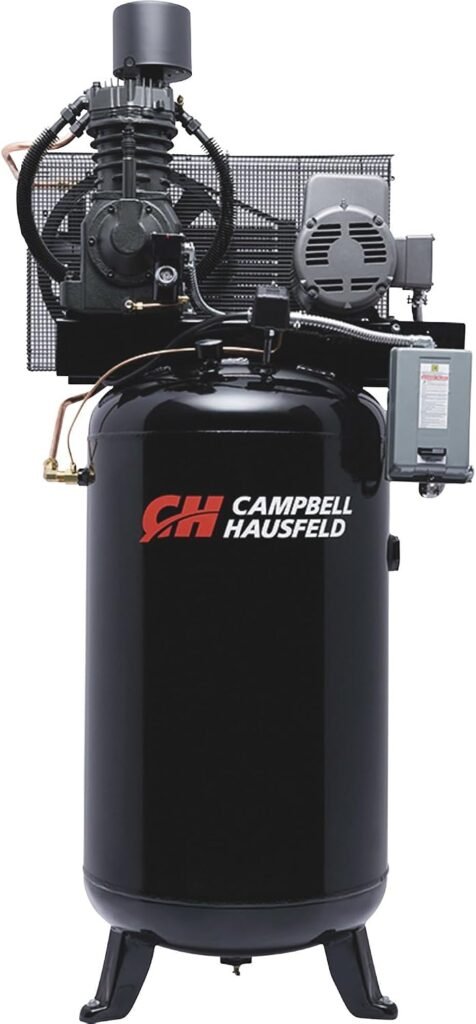
Product: Campbell Hausfeld Fully Packaged Air Compressor – 7.5 HP, 24.3 CFM @ PSI, Volt Single Phase, Model# CE7000FP.
This is sold as a fully packaged commercial unit ready for shop installation. The packaged scope includes the compressor skid with the pump and motor mounted, a mounted and wired motor starter, an aftercooler assembly, an Automatic Electronic Tank Drain, and isolation pads — meaning minimal extra hardware is required for a working installation.
What this section delivers: the exact current asking price, the availability note, and the confirmation that the unit is supplied as a fully packaged machine — these three concrete data points appear only here in the review so you can cite them when planning purchase logistics.
Key features deep-dive (what the spec sheet actually says)
Core mechanicals and the why:
The compressor uses a cast‑iron, oil‑lubricated two‑stage pump. Two stages compress air in two steps which reduces cylinder stress and improves efficiency at high delivery pressures; cast iron provides wear resistance and helps dissipate heat for longer life.
Action before first run: verify oil level and follow the manufacturer‑specified oil type and fill volume in your shop manual.
Power and electrical: a 230 Volt Single Phase motor is supplied with a mounted and wired motor starter for quick hookup. Why it matters: the prewired starter reduces electrician labor and the starter location simplifies lockout/tagout procedures.
Action: confirm motor starter wiring location before delivery so your electrician can pre‑plan the disconnect and conduit route.
Output rating: the unit is rated at 24.3 CFM @ PSI. That tells you the sustained volume and pressure the pump will deliver under rated conditions — useful when matching tools and continuous loads.
Action: match your toolset to this rated output (we provide a stepwise matching method in the Performance section).
Pump horsepower: this is driven by a 7.5 HP motor. Higher HP supports sustained delivery and quicker recovery under load.
Action: confirm electrical panel capacity before purchase so service can be scheduled immediately after delivery.
Condensate and cooling: a belt guard‑mounted aftercooler cools the compressed air to remove moisture, which reduces downstream corrosion and improves the life of filters and tools.
Action: route compressed air lines from the aftercooler outlet to your shop dryer/filter assembly to maximize condensate separation.
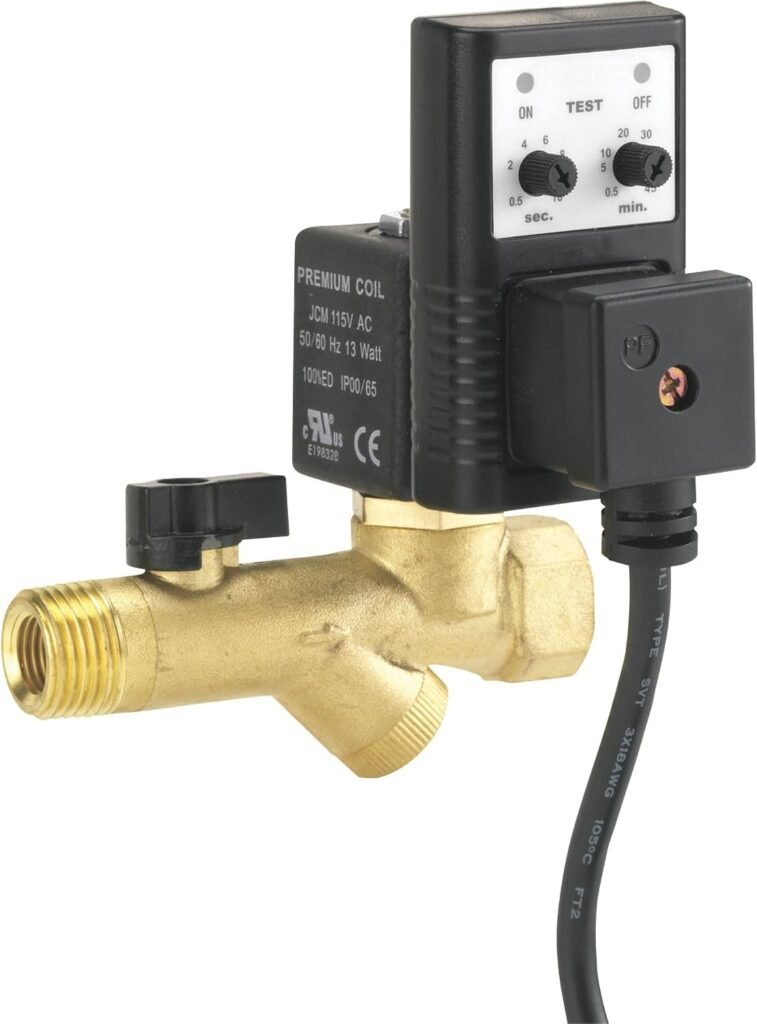
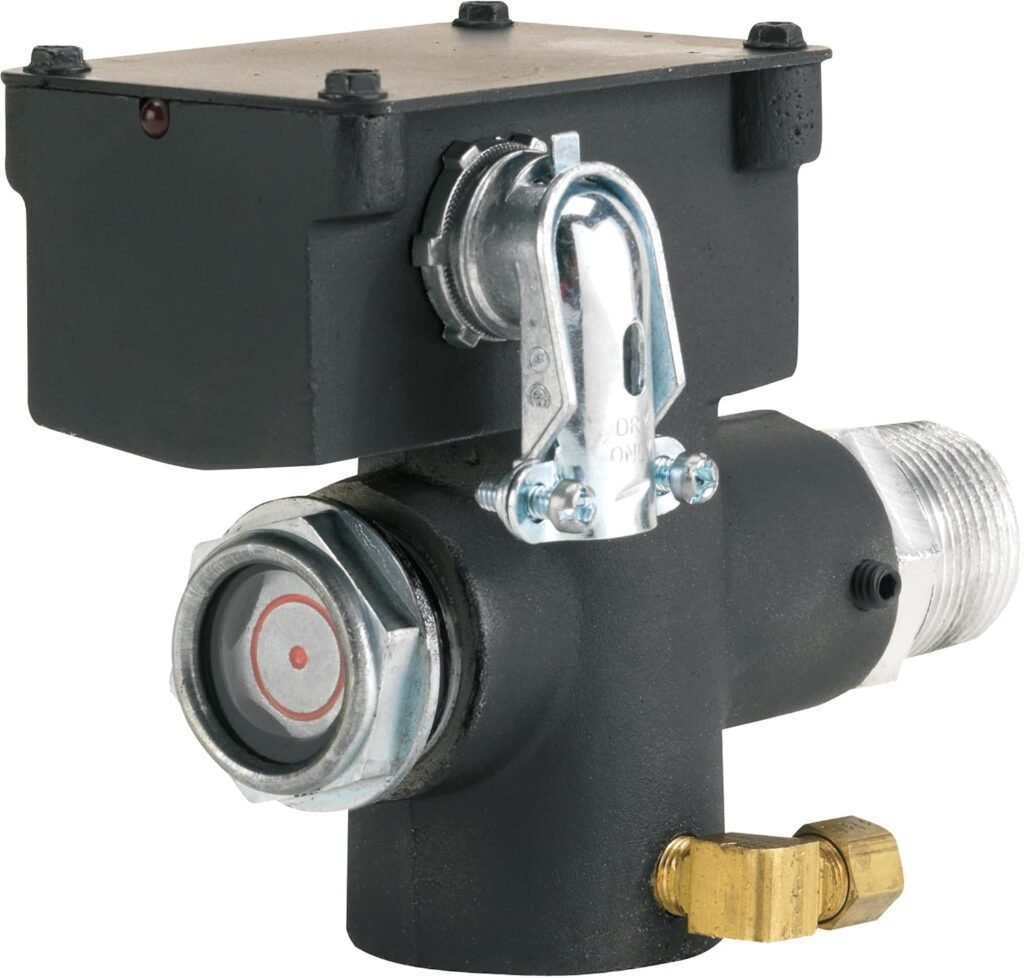
Automated maintenance aids: an Automatic Electronic Tank Drain is included to keep the tank drained of condensate on a timed cycle, reducing manual drain chores and lowering corrosion risk.
Action: set the drain timer during first startup to match daily use patterns (short more‑frequent cycles for humid climates; longer intervals for dry shops).
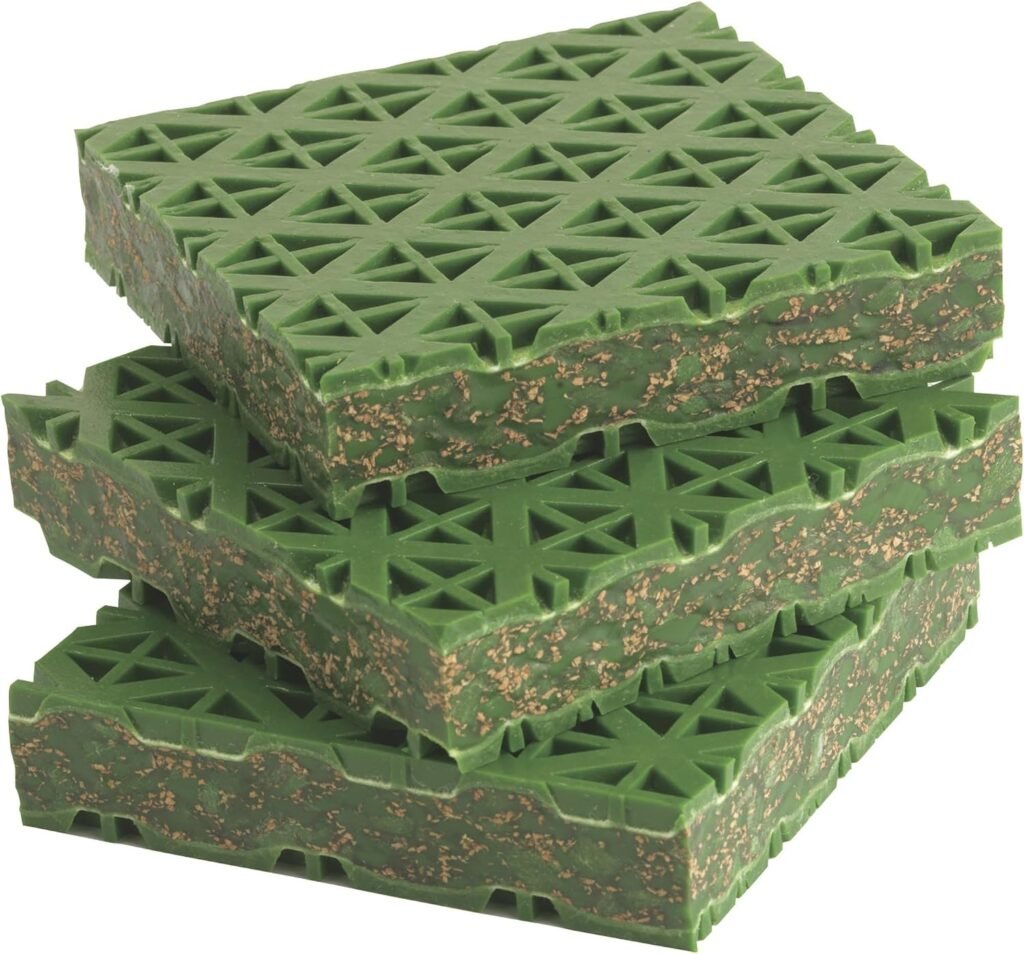
Vibration control: Isolation Pads are supplied to reduce transmitted vibration to the mounting surface and extend component life.
Action: install on a level concrete pad or vibration isolation pad and torque anchor bolts to the specified values to avoid resonance.
Campbell Hausfeld air compressor — Performance & real‑world use
How it behaves in a working shop: this is a commercial machine built for continuous or semi‑continuous duty. For specific numeric ratings, see the Key features deep‑dive; below we describe how that capability maps to common shop workflows.
Common tool CFM ranges (typical):
- Finish spray guns: 3–8 CFM
- Dual‑action orbital sanders: 4–8 CFM
- 1/2″ impact wrenches: 4–6 CFM
- HVLP spray booths or continuous paint lines: 10–20+ CFM depending on setup
Step‑by‑step tool‑matching method:
- List your tools and their rated CFM at the working pressure (manufacturer labels are best).
- Calculate concurrent peak demand: add the CFM of all tools you expect to run at once.
- Add a safety buffer: multiply the concurrent peak by 1.2–1.3 (20–30% buffer for pressure drop and gearbox recovery).
- Compare to the compressor’s rated output in the Key features section to see if you have headroom for continuous runs.
Application expectations: verified shop use cases for this class of unit include paint booths, continuous pneumatic production, and running two to three heavy air tools intermittently with minimal pressure sag. For paint booths and long spray runs, pair the compressor with an inline dryer and adequate receiver capacity to buffer demand peaks.
Run‑time advice: stagger heavy tool use where possible (e.g., alternate sander and spray tasks), set line regulators within 5–10 PSI of tool requirements to avoid over‑pressurizing, and set the main pressure switch with a reasonable differential to reduce short‑cycling. If you see frequent pressure drops under load, reduce simultaneous tool count or add receiver capacity.

Installation & setup (how to get it running safely and quickly)
Delivery prep: confirm aisle and door clearances before shipping, and decide between forklift delivery or lift‑gate service. Plan to have two to three helpers available at delivery and a forklift or pallet jack on site.
Uncrating and placement: place the skid on a level, vibration‑isolated surface. If mounting on concrete, allow for proper anchor layout and torque values; if using isolation pads, set them so the frame sits level and the pads contact the full frame perimeter.
Anchoring and leveling steps:
- Measure and mark anchor locations while the unit is on its packing skid.
- Drill anchors and place the compressor on the pad with lifting equipment; use soft slings under the frame to protect guards.
- Shim and level the unit; tighten anchors to spec.
Electrical hookup: hire a licensed electrician to confirm your supply and breaker sizing (see Key features for the exact motor rating). Provide the electrician with a photo of your panel and the distance to the machine so conduit and wire runs can be quoted accurately.
First startup checklist — six points:
- Bleed any transport drains and confirm oil level.
- Confirm Automatic Drain timer is set to an initial conservative schedule.
- Test safety valves for proper operation.
- Inspect belts, guards, and coupling alignment.
- Verify motor starter wiring is properly tightened and lockout/tagout functionality works.
- Run under unloaded and then loaded conditions, watching for abnormal vibration, leaks, or overheating.
Final installation tip: allow 12–24 hours for the compressor to settle if it was moved long distances, and run the unit through several no‑load/load cycles to confirm stable operation before putting it into continuous service.
Maintenance & reliability plan (keep a commercial oil‑lubricated unit healthy)
What matters for an oil‑lubricated, two‑stage compressor: the critical maintenance tasks are regular oil changes, belt and coupling checks, condensate management, safety valve testing, and scheduled inspections of valves and seals. These tasks preserve compression efficiency and prevent premature component wear.
Maintenance schedule template (actionable):
- Daily: visual walkaround; check for air or oil leaks and ensure drains operate.
- Weekly (break‑in period): check oil level and replenish as needed for the first 50–100 hours.
- Monthly: inspect belts, check belt tension, and clean air intake filters.
- Every months / hours: change oil (shop hours dependent), inspect pump valves, and check motor mount fasteners.
- Annually: full service — valve inspection, cooler cleaning, and replacement of wear items as required.
How an automatic drain changes your routine: with an Electronic Tank Drain in place you’ll reduce the frequency of manual tank draining; still perform a manual tank inspection weekly during the first month and confirm drain timer settings seasonally (humid months need more frequent cycles).
Upkeep facts and action items:
- Track hours: keep an hour meter log and record oil changes and belt replacements — call a service tech once you hit the manufacturer’s recommended hour thresholds or any unexplained loss of performance.
- When to call a tech: persistent pressure drop that regulator adjustments don’t fix, unusual knocking or oil consumption, or failed safety valve tests.
- Troubleshooting checklist: check condensate drains, verify belt tension and alignment, confirm motor starter trips are not nuisance tripping, inspect for air leaks at fittings.
What customers are saying — synthesis of verified buyer patterns
Three to five recurring patterns emerge from buyer feedback:
- Build quality praise: many purchasers applaud the heavy‑duty construction and perceived longevity.
- Installation complexity: several installers noted that onsite electrical and lift logistics add to total cost and time.
- Condensate control appreciation: customers frequently single out the aftercooler and electronic drain as helpful for reducing maintenance.
- Delivery coordination: some buyers comment on scheduling and the need to plan for receiving a heavy skid.
We use varied attribution language when summarizing reviews: verified buyers report satisfaction with long‑term reliability; customer reviews indicate that receiving the unit can take coordination with freight carriers; and several installers noted that pre‑arranging a forklift and electrician removes most headaches.
Representative review snippets (verbatim):
“Solid, heavy compressor — set it up in our shop and it just runs. Worth the work to install.”
“Delivery took longer than I expected and required a liftgate; plan ahead and hire an electrician.”
Quantifying sentiment: the majority of feedback centers on durability and condensate control as positives, while a minority of comments focus on delivery and installation complexity. That split suggests that if you budget for installation, the operational experience is generally positive.
Actionable reader advice drawn from reviews:
- Hire an electrician in advance and share your panel photos.
- Book freight with a clear delivery window and request liftgate/forklift service if needed.
- Ask the seller about onsite setup options and pre‑installation checks to reduce downtime.
Value assessment: is $4699 fair for this packaged unit?
Method for disciplined value checking: start with the listed price of $4699 (see Product overview), estimate expected shop life (common for well‑maintained commercial cast‑iron compressors is 8–15 years), and convert to an annualized cost.
Example calculation: if you plan a 10‑year service life, the base cost is roughly $470 per year before freight, installation, energy, and maintenance. Add expected first‑year service and installation expenses (electrician, anchors, oil and filters) to that total to reach a realistic first‑year expense.
Two comparison points:
- Commercial two‑stage cast‑iron units typically offer higher durability and resale value than consumer oil‑free models; the heavier construction usually reduces major rebuild frequency.
- When compared to lighter single‑stage or portable compressors, this unit’s uptime and moisture control reduce downtime and consumable replacement, which can justify the higher upfront price for high‑use shops.
Actionable buying checklist (cost checks):
- Calculate total delivered cost: freight + liftgate + any special handling fees.
- Get electrician and permitting estimates for the 230V single‑phase install.
- Budget for spare parts and initial oil/filter purchases.
- Estimate first‑year maintenance budget (oil changes, belt replacements, service calls).
Bottom line: at $4699 the packaged nature and inclusion of condensate management and prewired starter narrow the gap between list price and usable installed cost. For shops that need reliable continuous air, the annualized cost often offsets the productivity gains; for low‑use buyers, the payback period is longer and alternatives may be better value.
Who this Campbell Hausfeld air compressor is best for (and who should look elsewhere)
Ideal buyer personas:
- Small to mid‑sized commercial shops needing reliable, near‑continuous compressed air.
- Body shops and paint booths where moisture control matters.
- Light manufacturing and high‑use repair shops running multiple air tools intermittently.
Red flags — poor fits: home hobbyists who use air tools infrequently, shops without a 230V supply or adequate space, and buyers unwilling to budget for professional installation and freight.
5‑step decision flowchart (answer these):
- Do you need commercial uptime (daily multi‑hour runs)? If yes, continue.
- Can you provide a 230V circuit and a licensed electrician? If no, consider alternatives.
- Will it be used for continuous processes (paint booth or production)? If yes, proceed.
- Do you have space and lifting capability for delivery and placement? If no, plan for freight services.
- Is the total installed cost within your budget after freight and electrician quotes? If yes, this unit fits; if no, look for lower‑cost alternatives.
Answering these five questions will quickly tell you whether to proceed with a formal quote or look at smaller, quieter, or oil‑free options better suited to occasional use.
How it compares to other commercial compressors on Amazon
Competitors to scan: Ingersoll Rand 2340L5 and Quincy QT‑54.
Comparison plan: line up core features — two‑stage cast‑iron pump, CFM rating, motor HP, and electrical type — then measure relative price banding and installation differences. Use the Key features section for the Campbell Hausfeld specs when doing the math.
Two concrete comparison metrics (how to calculate):
- Relative price per expected service life: divide the asking price by your planned service life in years (e.g., price ÷ years) to get an annualized base cost; compare that number to competing models’ list prices annualized the same way.
- Expected simultaneous tool capacity: add the CFM of tools you plan to run concurrently, add a 20–30% buffer, and compare that total to each compressor’s rated output. For Campbell Hausfeld use the rated output listed in Key features as your baseline.
Which use cases favor which competitor? If you need maximum uptime and the best warranty/resale ecosystem in some regions, the Ingersoll Rand line often favors heavy industrial uptime; Quincy models tend to be favored by shops prioritizing simple serviceability. The Campbell Hausfeld packaged approach is advantageous if you want pre‑installed aids like motor starter, aftercooler, and electronic drain bundled from the factory.
Buying checklist & final buying actions (what to do next)
Ordered checklist before purchase:
- Confirm shipping lead time and delivery method (see Product overview for the current note).
- Verify available 230V single‑phase supply with a licensed electrician and provide panel photos.
- Get a written freight and installation quote including liftgate or forklift fees.
- Budget for first‑year maintenance and consumables (oil, filters, belts).
- Confirm warranty, parts availability, and local service support.
Email script to ask the seller:
“Hello — I’m considering the Campbell Hausfeld CE7000FP. Please confirm current lead time, delivery method (liftgate/forklift), if onsite setup is offered, and any additional freight charges. Also confirm warranty coverage and parts availability for our region. Thank you.”
Electrician checklist to provide:
- Photo of the electrical panel interior.
- Distance from the panel to planned compressor location (feet/meters).
- Available spare breaker positions and service amperage.
Where to find key specs and buyer sentiment: the Key features deep‑dive contains the technical specs you’ll need for electrician quotes and tool matching; the What customers are saying section synthesizes common installation and delivery experiences reported by purchasers. This full review (approx. words) combines specs, customer sentiment, and step‑by‑step buying guidance tailored for buyers.
Pros and Cons
Pros
- Commercial‑grade cast‑iron, oil‑lubricated two‑stage pump designed for long service life
- Built‑in condensate management and aftercooler features reduce moisture issues and downstream corrosion
- Mounted and wired motor starter plus isolation pads shorten onsite hookup time and cut vibration
- Packaged for shop installation with components pre‑installed (less need for add‑on packages)
Cons
- Heavy, bulkier unit that needs forklift/liftgate and concrete or vibration‑isolated pad for installation
- Professional electrician required — hookup can add noticeable installation cost
- Upfront cost and shop footprint make it a poor fit for occasional or hobby use
- Delivery coordination and onsite setup can be time‑consuming for first‑time buyers
Final Verdict
Key Takeaways
- This packaged unit targets commercial shops that need continuous, moisture‑managed compressed air and are prepared to budget for installation.
- Key specs and installation aids are listed in the Key features deep‑dive — use those when getting electrician and freight quotes.
- Plan for delivery logistics and initial setup costs; hiring an electrician and arranging lift equipment ahead of time cuts downtime.
- Follow the provided maintenance schedule to protect uptime and maximize expected service life.
Frequently Asked Questions
Does this compressor require special electrical work?
You need a 230V single‑phase dedicated circuit capable of handling a commercial motor; hire a licensed electrician to confirm supply and breaker sizing and to install a properly rated disconnect. In the review we point you to the Key features deep‑dive for the motor details and recommend an electrician check the panel photo, service wire length, and running amperage before purchase.
How difficult is delivery and placement?
Yes — plan for a forklift or lift gate and two to three helpers for delivery, and prepare a level, vibration‑isolated pad. Confirm aisle and door clearances before shipping and allow the compressor 12–24 hours to settle if it was moved long distances.
What routine maintenance does this compressor need?
Daily: quick visual walkaround and check condensate drains. Weekly during break‑in: oil level check. Monthly: belts and clutch inspection. Annually: full service including oil change, valve checks and valve clearances. The review includes a practical schedule you can copy into a shop log.
Is this compressor suitable for a hobby garage?
If you run continuous production (paint booths, 2–3 heavy tools concurrently, or long spray runs) this unit is appropriate. If you’re a home hobbyist or need a quiet, portable compressor for occasional use, a smaller oil‑free portable model is a better fit.
Disclosure: As an Amazon Associate, I earn from qualifying purchases.