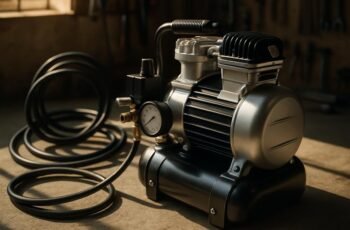
Maintaining the filters on your air compressor is a critical aspect of ensuring ideal system performance and prolonged equipment lifespan. Proper upkeep involves regular inspections, timely cleaning, and replacing filters before contaminants cause damage or efficiency loss. Neglecting these steps can lead to increased energy consumption and unexpected downtime. Understanding the best practices for filter maintenance can help you avoid costly repairs and keep your system running smoothly—yet, mastering these routines requires attention to detail and adherence to precise guidelines.
Key Takeaways
- Regularly inspect and replace filters to prevent contaminants from damaging compressor components.
- Monitor pressure drops and look for visible dirt to identify when filters need cleaning or replacement.
- Follow proper cleaning and installation procedures to ensure optimal airflow and system performance.
- Choose compatible filters with appropriate micron ratings and flow capacity for your specific compressor.
- Schedule maintenance based on environment conditions, operating hours, and manufacturer recommendations.
Why Regular Air Filter Maintenance Matters for Your Compressor
Regular maintenance of your air filter is essential because it directly impacts the efficiency and longevity of your compressor. A clean air filter guarantees ideal airflow, reducing the workload on internal components and preventing overheating. When filters become clogged or dirty, airflow restriction causes the compressor to work harder, increasing energy consumption and accelerating wear. Contaminants like dust, dirt, and debris can infiltrate the system, leading to corrosion and damage to sensitive parts such as valves and pistons. Consistent filter maintenance maintains proper pressure levels and prevents pressure drops, which are critical for system performance. Ultimately, regular filter upkeep minimizes downtime, reduces repair costs, and prolongs the compressor’s operational life, ensuring reliable performance in demanding industrial applications.
How to Identify When Your Compressor Filter Needs Replacing
Recognizing the signs that your compressor filter needs replacing is vital for maintaining ideal system performance. Elevated pressure drop readings across the filter indicate clogging, reducing airflow efficiency. Visible dirt, debris, or discoloration on the filter surface also signals the need for replacement. Increased system operating temperature or a drop in compressed air output volume can result from airflow restrictions caused by a saturated filter. Unusual noises or vibrations may occur if airflow impedance stresses the system. Regular monitoring of pressure gauges and visual inspections are necessary to identify these indicators promptly. Failing to replace a clogged filter can lead to increased wear on compressor components, energy inefficiency, and potential system failure, emphasizing the importance of timely replacement to guarantee proper operation.
Step-by-Step Guide to Cleaning Your Air Compressor Filter
Cleaning your air compressor filter is a critical maintenance task that helps guarantee ideal system performance and prolongs its lifespan. To begin, power down the compressor and disconnect it from the power source. Remove the filter element carefully, noting its orientation. Using compressed air, blow dirt and debris from the filter, working from the center outward to prevent damage. For more thorough cleaning, rinse the filter with a mild detergent solution, then rinse with clean water and allow it to dry completely. Avoid using harsh chemicals or high heat, which can damage the filter material. Once dry, reinstall the filter, ensuring it is seated properly to prevent bypass. Power the compressor back on, and verify that airflow and pressure levels are within operational specifications.
Choosing the Right Replacement Filters for Your Compressor
Selecting the appropriate replacement filters for your air compressor guarantees ideal performance and prevents system failures. To assure compatibility, verify filter specifications such as size, micron rating, and material composition, aligning them with manufacturer recommendations. Consider the operational environment—harsh or contaminated conditions may require higher-grade or specialized filters. Evaluate filtration efficiency; higher micron ratings reduce particulate intrusion but may compromise air quality, while finer filters enhance purity at potentially increased pressure drops. Always confirm that the replacement filter’s flow capacity matches your compressor’s airflow requirements to avoid pressure losses. Using genuine or certified aftermarket filters ensures quality and durability. Regularly consulting your compressor’s manual or a technical datasheet helps determine the correct filter type, guaranteeing optimal filtration and system longevity.
Best Practices for Installing New Air Filters Correctly
Proper installation of air filters involves verifying correct orientation to guarantee ideal airflow and filtration efficiency. We must confirm the seal and fit to prevent bypass and leaks that compromise system performance. Following manufacturer guidelines is essential to maintain filter integrity and avoid installation errors.
Ensure Proper Filter Orientation
To guarantee peak filtration and system efficiency, it’s essential to install new air filters with the correct orientation. Proper alignment ensures optimal airflow and prevents bypass of contaminants. Always check the filter’s directional arrows or markings, which indicate airflow direction. Installing filters backward compromises filtration performance and may damage the filter media. Confirm the orientation before installation by inspecting the filter frame and markings. The following table summarizes key considerations:
| Filter Markings | Installation Direction | Consequences of Incorrect Orientation |
|---|---|---|
| Arrow Indicators | Follow airflow direction | Reduced filtration efficiency |
| Frame Labels | Align with airflow path | Increased system wear and maintenance |
| Manufacturer’s Guidance | Adhere precisely | Contaminant bypass and system damage |
| Visual Inspection | Verify clarity of markings | Performance degradation |
| System Documentation | Cross-reference instructions | Premature filter failure |
Correct orientation is critical for maintaining system integrity.
Confirm Seal and Fit
How can we guarantee a secure seal and proper fit when installing new air filters? First, we ensure the filter aligns correctly with the filter housing, matching the designated orientation. Next, we verify that the gasket or sealing surface is clean, free of debris, and undamaged to prevent leaks. As we insert the filter, we press firmly to seat it fully against the gasket, avoiding any gaps. We double-check that the filter is flush with the housing edges, confirming there’s no tilting or misalignment. If the filter has locking tabs or clips, we engage them securely. Proper fitment prevents unfiltered air bypass and maintains system efficiency. Consistent inspection of the seal after installation is critical, ensuring no shifting or loosening occurs during operation.
Follow Manufacturer Guidelines
Following manufacturer guidelines is essential to guarantee the air filter installation meets the equipment’s specifications and maintains peak performance. Adhering to the prescribed procedures ensures proper placement, sealing, and compatibility with the compressor system. Always consult the manufacturer’s manual for specific instructions regarding filter types, replacement intervals, and torque requirements. Use recommended tools and materials to prevent damage during installation. Properly following guidelines minimizes the risk of leaks, bypass, or improper filtration, which can compromise system efficiency and longevity. Document any deviations or observations during installation for future reference and maintenance planning. Strict compliance with manufacturer instructions ensures the filter functions as intended, enhancing air quality and protecting critical compressor components from contaminants. This disciplined approach prolongs equipment life and sustains ideal operational performance.
Common Mistakes to Avoid During Filter Maintenance
One of the most common mistakes during filter maintenance is neglecting to follow the manufacturer’s recommended procedures, which can lead to improper installation or cleaning. This oversight risks system inefficiency and potential damage. To avoid these issues, confirm you:
- Use the correct replacement filters specified by the manufacturer.
- Follow precise removal and installation instructions to prevent bypass or leaks.
- Avoid over-tightening filter housings, which can cause damage or distortion.
- Never neglect to inspect and clean surrounding components during filter replacement.
Adhering to these steps maintains filter integrity and system performance. Accurate procedures prevent contamination and prolong equipment life, guaranteeing optimal compressor operation and reducing downtime.
How Often Should You Perform Air Compressor Filter Inspections?
Determining the appropriate inspection interval depends on manufacturer guidelines, operating conditions, and usage intensity. We look for signs of contamination like reduced airflow or increased pressure, which indicate maintenance is needed. Overdue inspections can lead to system inefficiency and equipment damage, emphasizing the importance of adherence to recommended schedules.
Recommended Inspection Frequency
How often should you inspect your air compressor filters to guarantee peak performance? The recommended inspection frequency depends on operating conditions and usage intensity. Generally, inspections should occur:
- Weekly for compressors operating in dusty or contaminated environments.
- Bi-weekly under moderate conditions with average air quality.
- Monthly for compressors in clean environments with minimal dust.
- Quarterly for infrequent or low-demand applications.
These intervals ensure filters remain free of debris and contaminants, maintaining ideal airflow and preventing undue strain on the system. Regular inspections allow for early detection of potential issues, reducing downtime and extending filter lifespan. Adjust frequency based on specific operating conditions and manufacturer guidelines for maximum efficiency.
Signs of Filter Contamination
Have you noticed a decline in your air compressor’s performance despite regular maintenance? This often indicates filter contamination. Key signs include increased pressure drop across the filter, signaling clogged media. You may also observe reduced airflow output, which impairs operational efficiency. Visual inspection might reveal dirt, dust, or moisture buildup on the filter surface, indicating saturation. Additionally, abnormal noise levels or vibrations can suggest restricted airflow caused by contaminated filters. A rise in energy consumption is another indicator, as the compressor works harder to maintain output. Monitoring these signs closely helps prevent system failures and maintains peak performance. Regularly inspecting filters for these contamination indicators ensures timely replacement, preserving compressor longevity and efficiency.
Impact of Overdue Checks
Regular inspection of air compressor filters is essential to prevent performance degradation and avoid costly repairs. Overdue checks can lead to several issues, including reduced airflow, increased energy consumption, and higher equipment wear. When filters aren’t inspected on schedule:
- Contaminants accumulate, causing blockages that impair compressor efficiency.
- Dirt and debris bypass filters, contaminating system components.
- Increased pressure drop strains the motor, elevating power costs.
- Excessive dirt buildup accelerates filter and compressor component fatigue.
Neglecting timely inspections risks system downtime and costly repairs. Establishing a strict inspection schedule ensures filters are clean and functioning optimally, maintaining compressor performance, reducing operational costs, and prolonging equipment lifespan. Regular checks are an integral part of effective maintenance management.
Troubleshooting Performance Issues Related to Dirty Filters
Dirty filters can markedly impair an air compressor’s performance, leading to reduced airflow, increased pressure drops, and potential overheating. When filters are clogged, airflow resistance rises, causing the compressor to work harder to maintain pressure levels. This increased workload results in higher energy consumption and elevated internal temperatures, which can trigger thermal shutdowns or damage components. Additionally, restricted airflow diminishes compressor efficiency, prolongs cycle times, and can cause pressure fluctuations. To troubleshoot these issues, we monitor pressure gauges for abnormal drops, listen for unusual noises indicating strain, and observe for temperature spikes. Recognizing these signs promptly helps identify dirty filters as the root cause, enabling targeted maintenance such as filter cleaning or replacement to restore ideal performance and prevent further system degradation.
Tips to Extend the Life of Your Air Compressor Filters
Maintaining the cleanliness of your air compressor filters is vital for guaranteeing peak performance and longevity. Proper maintenance involves proactive measures to minimize wear and extend service intervals.
Keeping your compressor filters clean ensures optimal performance and extends their lifespan.
- Regularly inspect filters for contamination and replace them at manufacturer-recommended intervals to prevent clogging.
- Use high-quality, compatible replacement filters to assure optimal filtration efficiency and reduce strain on the compressor.
- Implement a scheduled cleaning routine, utilizing compressed air or appropriate cleaning solutions to remove dust and debris without damaging the filter media.
- Maintain stable operating conditions by controlling humidity and temperature, which reduces the accumulation of moisture and particulate matter.
Adhering to these practices minimizes filter stress, preserves airflow, and prolongs filter lifespan, ultimately enhancing compressor reliability and performance.
Understanding the Impact of Filter Maintenance on Energy Efficiency
Have you ever considered how filter condition directly influences the energy consumption of your air compressor? When filters become clogged or dirty, the compressor must work harder to maintain airflow, increasing power draw and operational costs. Reduced airflow due to poor filtration causes increased pressure drops across the system, forcing the compressor to exert more energy to meet demand. Regular filter maintenance ensures unobstructed airflow, minimizing the workload and optimizing efficiency. Clean filters help maintain consistent pressure levels, reducing energy waste associated with overworking the compressor. Conversely, neglecting filter upkeep leads to higher energy consumption, increased operational costs, and accelerated component wear. As a result, diligent filter maintenance is critical for sustaining energy efficiency and prolonging compressor lifespan.
Frequently Asked Questions
Can Using the Wrong Filter Type Damage My Compressor?
Yes, using the wrong filter type can damage your compressor by introducing contaminants, causing unnecessary strain, or impairing airflow. We recommend selecting filters specifically designed for your compressor model to guarantee ideal performance and longevity.
How Do Climate Conditions Affect Filter Maintenance Schedules?
Climate conditions considerably influence our filter maintenance schedules; in humid environments, we inspect and replace filters more frequently to prevent moisture buildup, while dry conditions allow longer intervals, ensuring ideal compressor performance and avoiding costly damage.
Are There Eco-Friendly Filter Options Available?
Yes, eco-friendly filter options exist, utilizing biodegradable or recyclable materials that reduce environmental impact. We recommend selecting filters made from sustainable components and ensuring proper disposal or recycling to maintain eco-conscious practices in compressor maintenance.
What Are the Signs of a Faulty Filter Beyond Clogging?
We observe increased pressure drops, inconsistent airflow, or abnormal noise levels as signs of a faulty filter beyond clogging. These symptoms indicate reduced efficiency, potential system damage, and the need for prompt inspection and replacement to maintain ideal compressor performance.
How Does Filter Maintenance Influence Compressor Noise Levels?
Proper filter maintenance reduces compressor noise by preventing airflow restrictions, minimizing motor strain, and decreasing vibration. Regularly inspecting and replacing filters guarantees ideal airflow, resulting in quieter operation and extending the compressor’s lifespan.
Conclusion
Regular filter maintenance isn’t just routine—it’s the key to *unlocking* peak compressor performance. Neglecting it can lead to unseen damage, costly downtime, and energy waste. By adhering to proper inspection, cleaning, and replacement protocols, we safeguard your system’s longevity and efficiency. Stay vigilant, monitor signs of contamination, and act promptly. The difference between smooth operation and unexpected failure hinges on your commitment to meticulous filter care—don’t let unseen threats quietly undermine your system’s potential.