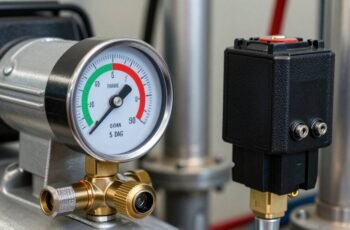
Understanding the function and proper maintenance of an air compressor tank drain valve is essential for ensuring ideal system performance and longevity. These valves play a critical role in removing moisture and preventing corrosion, but selecting the right type and maintaining it effectively requires a technical approach. As we explore this guide, we’ll examine key considerations for choosing, installing, and troubleshooting drain valves—details that can markedly influence your compressor’s reliability and safety.
Key Takeaways
- Select a drain valve compatible with your tank type and material to ensure durability and proper function.
- Regularly drain moisture after use or daily to prevent rust, corrosion, and internal damage.
- Properly install the drain valve by sealing connections and checking for leaks after setup.
- Use reliable manual or automatic drain valves to effectively remove accumulated water and maintain compressor efficiency.
- Troubleshoot common issues like leaks or stuck valves promptly to ensure continuous moisture management.
What Is an Air Compressor Tank Drain Valve and Why Is It Important?
An air compressor tank drain valve is a crucial component that allows for the removal of accumulated moisture and condensation from the tank. This drainage process prevents internal corrosion, which can compromise tank integrity and reduce operational lifespan. Moisture buildup occurs naturally due to the cooling of compressed air, making regular drainage essential. The valve’s design enables controlled release of condensate without depressurizing the entire system, ensuring safety and efficiency. Proper functioning of the drain valve maintains air quality and compressor performance by minimizing moisture-related issues like rust, contamination, and pressure fluctuations. Its role is fundamental in routine maintenance, safeguarding both equipment longevity and system reliability. Essentially, a well-maintained drain valve is indispensable for ideal compressor operation and durability.
How to Choose the Right Drain Valve for Your Air Compressor
Choosing the appropriate drain valve requires careful consideration of compatibility with your tank type, ensuring proper fit and function. Material selection impacts durability and corrosion resistance, which are vital for long-term performance. Additionally, ease of operation affects maintenance efficiency and safety, making it essential to evaluate valve design features.
Compatibility With Tank Type
Selecting the appropriate drain valve requires careful consideration of the tank type, as incompatible components can lead to leaks, corrosion, or valve failure. Different tanks—such as horizontal, vertical, or ASME-certified pressure vessels—have unique design specifications and connection standards. For example, some tanks use specific thread sizes or mounting configurations that mandate compatible valves. Improper matching can result in poor seals, excess stress, or damage to the tank material. It’s essential to verify the tank’s dimensions, pressure ratings, and connection type before selecting a drain valve. By ensuring compatibility, we can prevent operational issues, maintain safety standards, and extend the lifespan of both the tank and the valve. Accurate identification of tank specifications is critical for ideal performance.
Drain Valve Material Choices
The material composition of a drain valve directly influences its durability, performance, and longevity under operating conditions. Selecting an appropriate material involves evaluating corrosion resistance, temperature tolerance, and mechanical strength. For example, brass offers excellent corrosion resistance and is suitable for most environments, while stainless steel provides superior strength and corrosion resistance for demanding applications. Plastic valves are lightweight and cost-effective but may lack durability under high temperatures.
| Material | Advantages | Limitations |
|---|---|---|
| Brass | Corrosion resistant, durable | Slightly heavier |
| Stainless Steel | High strength, corrosion resistant | Costlier |
| Plastic | Lightweight, inexpensive | Lower temperature tolerance |
| Aluminum | Lightweight, corrosion resistant | Less durable |
Ease of Operation
Understanding how easily a drain valve can be operated is essential for efficient maintenance and reliable compressor performance. An accessible, straightforward valve reduces downtime and minimizes operational errors. Valves with simple manual mechanisms, such as ball valves or quarter-turn designs, offer quick, one-handed operation, ensuring minimal interruption during drainage. Conversely, complex or multi-step valves can increase the risk of improper use or neglect, leading to moisture buildup. Consider the valve’s handle design, leverage, and required force; ergonomic features improve usability, especially in confined spaces or for users with limited strength. Additionally, automatic or semi-automatic valves can simplify maintenance, but they often come with increased complexity and cost. Selecting a valve with intuitive operation guarantees consistent moisture removal and maintains compressor longevity.
Step-by-Step Guide to Installing an Air Compressor Drain Valve
Installing an air compressor drain valve requires careful attention to detail to guarantee proper functionality and safety. First, verify the compressor is turned off and depressurized to avoid injury. Locate the drain port, typically at the bottom of the tank, and clean the area to remove debris. Use a wrench to remove the existing plug or valve if present. Inspect the threads for damage and apply thread sealant or Teflon tape to ensure a leak-proof connection. Carefully thread the new drain valve into the port, tightening it securely without over-tightening to prevent damage. Once installed, double-check for proper alignment and secure fit. Finally, restore power, pressurize the tank gradually, and inspect for leaks to confirm a successful installation.
Best Practices for Maintaining and Draining Your Air Compressor Tank
Regular upkeep of your air compressor tank, including proper draining practices, is vital for peak performance and longevity. Consistent draining prevents moisture buildup, which can cause corrosion and compromise tank integrity. We recommend establishing a routine—ideally after each use or daily for frequent operators—to remove accumulated condensate. Use a reliable drain valve, ensuring it functions correctly and is accessible. During draining, open the valve slowly to allow moisture to escape without abrupt pressure changes. Always monitor pressure levels before and after draining to confirm safety. Regular inspection of the valve for leaks or blockages is critical, and any signs of malfunction should trigger immediate maintenance. Adhering to these best practices ensures your tank remains free of corrosion, maintains structural integrity, and sustains ideal compressor operation.
Common Problems With Drain Valves and How to Fix Them
Drain valve issues are among the most common problems encountered with air compressor tanks, often stemming from improper maintenance or wear over time. These issues can compromise tank integrity and efficiency. Key problems include:
- Leaking Valves: Caused by worn seals or corrosion, leading to continuous air loss. Fix by replacing seals or cleaning corrosion.
- Stuck Valves: Mineral buildup or debris can jam the valve, preventing proper drainage. Address by cleaning or replacing the valve.
- Corrosion and Rust: These weaken the valve structure, risking failure. Prevention involves regular inspection and applying protective coatings.
- Faulty Release Mechanisms: Damaged or broken release handles hinder drainage. Repair involves replacing or repairing the handle assembly.
Timely diagnosis and maintenance are essential to prevent these issues from escalating.
When to Replace Your Air Compressor Drain Valve
Identifying the right moment to replace your air compressor drain valve is vital to maintaining peak tank performance and safety. Signs of failure include persistent leaks, corrosion, or difficulty opening and closing the valve. If the valve no longer seals properly, moisture and contaminants can accumulate inside the tank, risking internal corrosion and compromised air quality. Mechanical degradation, such as cracked or warped components, also indicates the need for replacement. Regular inspections should reveal these issues early, preventing potential damage. Additionally, if the valve exhibits excessive wear or has been in service for several years without maintenance, replacing it proactively guarantees reliable operation. Delaying replacement can lead to system inefficiencies, safety hazards, and costly repairs.
Tips for Preventing Moisture Buildup in Your Compressor Tank
To prevent moisture buildup, we recommend regularly draining the tank to remove accumulated water. Incorporating moisture traps in the system can further reduce humidity levels, while maintaining proper air pressure minimizes condensation risks. These combined measures optimize compressor efficiency and prolong equipment lifespan.
Regularly Drain the Tank
Since moisture naturally accumulates in compressor tanks during operation, it’s essential to establish a regular draining routine to prevent corrosion and maintain peak performance. Proper drainage minimizes moisture-related issues by removing water before it causes damage. To optimize this process:
- Schedule drainings at the end of each workday to prevent moisture buildup.
- Use a reliable drain valve to ensure complete removal of accumulated water.
- Monitor tank pressure and temperature; higher temperatures increase moisture condensation.
- Record draining frequency and conditions to identify patterns and adjust maintenance schedules accordingly.
Consistent drainage guarantees moisture doesn’t linger, reducing the risk of rust formation and component deterioration. Adopting a systematic approach helps sustain compressor efficiency and prolongs equipment lifespan.
Use Moisture Traps
Moisture traps are essential components that actively intercept and condense water vapor before it enters the compressor tank, thereby considerably reducing the risk of moisture buildup. These devices are typically installed inline with the air intake or downstream of the compressor, utilizing filtration media or refrigerated cooling to remove humidity. By condensing water vapor into liquid form, moisture traps prevent water from reaching sensitive components and the tank itself, minimizing corrosion and degradation. They are especially valuable in environments with high ambient humidity or inconsistent air quality, where moisture accumulation accelerates. Proper selection and regular maintenance of moisture traps guarantee they function effectively, providing a continuous barrier against moisture ingress. Incorporating moisture traps into your system enhances overall compressor longevity and operational reliability.
Maintain Proper Air Pressure
Maintaining proper air pressure within the compressor tank is essential for minimizing moisture buildup, as fluctuations can create conditions conducive to water condensation. Consistent pressure helps prevent temperature swings that cause moisture to condense and accumulate. To optimize pressure control:
- Monitor pressure gauges regularly to detect deviations.
- Set the compressor’s pressure regulator to a stable, recommended range.
- Avoid over-pressurizing the tank, which increases condensation risk.
- Use automatic shutoff features to prevent excessive pressure fluctuations.
FAQs About Air Compressor Tank Drain Valves
Are you wondering how frequently you should drain your air compressor tank? Regular drainage prevents moisture buildup, which can cause rust and reduce efficiency. Typically, draining after each use or weekly for continuous operation is recommended. Factors like humidity and usage intensity influence this schedule.
| Question | Answer |
|---|---|
| How often should I drain? | After each use or weekly, depending on conditions. |
| Is manual or automatic better? | Manual offers control; automatic is more convenient. |
| What happens if I don’t drain? | Moisture accumulation leads to corrosion and damage. |
Consistent drainage maintains air quality and prolongs tank lifespan. Understanding these FAQs helps optimize compressor performance and minimize maintenance costs.
Frequently Asked Questions
How Often Should I Drain My Air Compressor Tank?
We recommend draining your air compressor tank daily if used frequently or in humid conditions, and at least weekly otherwise, to prevent moisture buildup, corrosion, and guarantee peak performance, extending the lifespan of your compressor system efficiently.
Can I Use a Manual Drain Valve Instead of an Automatic One?
Can we use a manual drain valve instead of an automatic one? Absolutely, but manual valves require consistent attention to prevent moisture buildup, which could compromise compressor efficiency and longevity. Are you prepared for regular maintenance?
What Are Signs of a Faulty Drain Valve?
We observe signs like continuous leakage, inconsistent drainage, or buildup of moisture, indicating a faulty drain valve. These issues compromise compressor efficiency and safety; prompt inspection and replacement guarantee ideal operation and prevent potential damage or failure.
Are There Safety Precautions for Draining the Tank?
Think of draining as releasing built-up pressure to prevent danger; we always wear safety goggles, release pressure gradually, and make certain the compressor is off to avoid sudden releases, safeguarding both equipment and ourselves during maintenance.
How Does Moisture Affect Compressor Performance?
Moisture causes corrosion inside the compressor, reducing efficiency and lifespan. It also leads to freezing, clogging, and potential damage to components. Regular draining prevents moisture buildup, ensuring peak performance and extending the equipment’s operational life.
Conclusion
Regular maintenance of our air compressor tank drain valve is vital—studies show that improper drainage can reduce tank lifespan by up to 30%. By choosing the right valve, installing it correctly, and maintaining it properly, we guarantee peak performance and safety. Staying vigilant with routine checks and timely replacements minimizes downtime and costly repairs. Ultimately, a well-maintained drain valve is necessary for maximizing efficiency and extending the life of our compressor system.