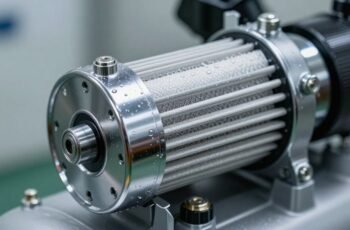
Maintaining a clean air compressor filter is vital for peak performance and longevity of the equipment. Proper cleaning procedures prevent contamination and guarantee consistent airflow, but doing so correctly requires attention to detail. We’ll guide you through each step, from safety protocols to inspection tips, so you can keep your compressor running efficiently. Understanding the correct cleaning process is essential, especially when considering whether to clean or replace the filter—let’s explore the best practices for this maintenance task.
Key Takeaways
- Turn off and unplug the compressor before removing the filter to ensure safety.
- Use compressed air or an air blower to dislodge loose dust and debris from the filter surface.
- Wash the filter with a mild detergent and rinse thoroughly, then allow it to air dry completely.
- Inspect the filter for damage such as tears, holes, or warping, and replace if necessary.
- Reinstall the clean, dry filter, ensuring proper sealing and fit to maintain filtration efficiency.
What Is an Air Compressor Filter and Why Is It Important?
An air compressor filter is a critical component that removes contaminants such as dust, dirt, oil, and moisture from the compressed air. Its primary function is to guarantee the air delivered is clean and free of particles that could damage downstream equipment or compromise product quality. The filter typically consists of a filtration element, such as a paper, foam, or coalescing medium, designed to trap particles at various sizes. By removing impurities, the filter extends the lifespan of the compressor and enhances operational efficiency. Without proper filtration, contaminants can cause corrosion, clogging, or wear within the system, leading to increased maintenance costs and potential failures. As a result, understanding the role of the air compressor filter is vital for maintaining ideal system performance and ensuring the reliability of compressed air applications.
Signs That Your Air Compressor Filter Needs Cleaning
When the air compressor filter becomes clogged or dirty, it can cause a noticeable decline in system performance. Signs include reduced airflow, which leads to decreased efficiency and longer operation times. You might also observe increased pressure drop across the filter, indicating restricted airflow. Unusual noises or vibrations can signal strain on the compressor caused by airflow obstruction. Additionally, if the compressor’s output pressure drops below specified levels, it suggests the filter is impeding airflow. A visible accumulation of dirt, dust, or debris on the filter surface is a clear visual cue that cleaning is necessary. Regularly monitoring these indicators helps guarantee ideal compressor operation, prevents component wear, and maintains air quality standards. Prompt maintenance based on these signs prolongs equipment lifespan and sustains performance.
Tools and Supplies Needed for Cleaning the Filter
To effectively clean your air compressor filter, gather the appropriate tools and supplies beforehand. Precision and proper equipment guarantee thorough cleaning and prevent damage. You’ll need basic hand tools, cleaning agents, and safety gear. The following table outlines essential items:
| Tool/Supply | Purpose |
|---|---|
| Screwdriver (flat or Phillips) | Remove filter housing or cover |
| Compressed air or air blower | Dislodge dust and debris from filter media |
| Mild detergent or filter cleaner | Break down grease and grime |
| Soft-bristled brush | Gently scrub filter surface |
| Protective gloves and safety goggles | Protect skin and eyes during cleaning |
Having these tools prepared guarantees a systematic, safe, and effective cleaning process.
Step-by-Step Guide to Cleaning Your Air Compressor Filter
Before starting the cleaning process, confirm the compressor is turned off and unplugged to prevent accidental operation. To clean the filter efficiently:
Always ensure the compressor is off and unplugged before cleaning the filter for safety.
- Remove the filter from the compressor housing using appropriate tools.
- Gently tap the filter to dislodge loose dust and debris.
- Wash the filter with a mild detergent solution, ensuring all contaminants are dissolved.
- Rinse thoroughly with clean water, then shake off excess moisture and allow the filter to air dry completely before reinstallation.
Ensure no residual moisture remains to prevent mold growth. Use only recommended cleaning agents and avoid harsh chemicals that could damage the filter media. Proper handling during each step maintains filter integrity and optimizes compressor performance.
How to Inspect the Filter for Damage or Wear
Inspecting the filter for damage or wear is a critical step to guarantee ideal compressor performance. We start by visually examining the filter media for tears, holes, or frayed edges that could compromise filtration efficiency. Check the sealing edges for deterioration, cracks, or deformities that might cause air leaks. Pay close attention to accumulated debris or oil deposits that could indicate contamination or clogging. Use a flashlight to enhance visibility of small tears or embedded particles. Confirm the frame remains intact without warping or cracks. Any signs of structural compromise, such as brittleness or deformation, suggest the filter may no longer effectively trap contaminants. Conducting this thorough inspection helps us determine if the filter requires cleaning or replacement, maintaining optimal airflow and preventing system damage.
When to Replace Your Air Compressor Filter Instead of Cleaning
When the filter shows extensive damage or persistent contamination, replacing it becomes necessary instead of cleaning. Recognizing these signs guarantees peak compressor performance and prevents system failure. Consider replacing the filter if:
- The filter media is torn, cracked, or physically damaged, compromising its filtration efficiency.
- Contaminants such as oil, oil vapor, or fine particles remain after cleaning attempts, indicating deep-seated contamination.
- The pressure drop across the filter consistently exceeds manufacturer specifications, reducing airflow and efficiency.
- The filter has exceeded its recommended service life, as specified by the manufacturer, regardless of appearance or cleaning results.
Timely replacement maintains peak filtration and system longevity, preventing damage caused by compromised air quality.
Tips for Maintaining a Clean and Efficient Air Compressor Filter
Maintaining ideal filter performance requires a strict inspection schedule to identify contamination early. Proper cleaning techniques, including the use of appropriate cleaning agents and methods, are essential to prevent damage and guarantee efficiency. Consistent adherence to these practices helps prolong filter lifespan and maintains compressor performance.
Regular Inspection Schedule
Establishing a regular inspection schedule is essential for ensuring your air compressor filter remains clean and functions efficiently. Consistent checks prevent dirt buildup and identify potential issues early. To optimize maintenance, follow these steps:
- Inspect the filter visually for dust, debris, or damage every 50 operational hours or weekly, whichever comes first.
- Check for signs of oil or moisture contamination, which can impair filtration.
- Record inspection outcomes to track filter lifespan and performance trends.
- Schedule more frequent inspections in dusty or harsh environments to prevent clogging and maintain airflow efficiency.
Adhering to a strict inspection routine ensures filters operate at peak performance, reducing wear on the compressor and extending component longevity.
Proper Cleaning Techniques
To guarantee your air compressor filter remains effective, it’s essential to follow proper cleaning techniques that remove accumulated dirt and contaminants without damaging the filter media. First, always disconnect the compressor from power and remove the filter carefully to prevent debris from entering the system. Use compressed air to blow out dust and particles from the filter media, directing airflow from the inside out to avoid pushing debris deeper. For washable filters, gently rinse with a suitable cleaning solution or water, then allow it to dry completely before reinstalling. Avoid harsh chemicals or abrasive brushes, as they can compromise filter integrity. Regularly inspecting and applying these precise cleaning methods ensures maximum airflow, prolongs filter lifespan, and maintains compressor efficiency.
Common Mistakes to Avoid During Filter Cleaning
One common mistake is using harsh cleaning agents that can damage filter materials, reducing their effectiveness. Ignoring signs of filter damage or wear may lead to inefficient filtration and equipment failure. Additionally, neglecting regular maintenance intervals can cause contaminants to build up, decreasing overall system performance.
Using Harsh Cleaning Agents
Using harsh cleaning agents can greatly damage air compressor filters, leading to reduced efficiency and shortened lifespan. These chemicals can degrade filter materials, causing tears or warping that compromise filtration performance. To avoid this, consider these key points:
- Avoid solvents like acetone or paint thinners, as they can dissolve filter fibers.
- Refrain from using bleach or ammonia-based cleaners, which can weaken filter media.
- Do not apply abrasive scrubbing agents that can scratch or puncture the filter surface.
- Steer clear of high-pressure water jets that may deform or dislodge filter components.
Using inappropriate chemicals risks compromising the filter’s structural integrity, ultimately increasing maintenance costs and reducing compressor efficiency. Always choose manufacturer-recommended cleaning solutions for most effective results.
Ignoring Filter Damage Signs
Ignoring visible signs of damage on the air compressor filter can lead to more serious issues and costly repairs. Damaged filters compromise airflow and filtration efficiency, risking motor strain and reduced performance. Common signs include torn or deformed filter media, excessive dirt accumulation, or warped housing. Recognizing these signs promptly is essential for maintenance accuracy.
| Damage Sign | Visual Indicator | Potential Consequence |
|---|---|---|
| Torn Filter Media | Rips or holes in filter material | Bypassing contaminants |
| Excessive Dirt Buildup | Thick layer of debris | Reduced airflow, overheating |
| Warped Housing | Deformed or cracked frame | Air leaks, pressure loss |
Failing to address these indicators can lead to equipment failure, increased operational costs, and system downtime.
Overlooking Regular Maintenance
Regular maintenance is often overlooked, yet it is critical to ensuring the air compressor filter functions effectively and longevity is maintained. Ignoring scheduled inspections can lead to decreased efficiency and increased wear. To avoid this, focus on:
- Skipping routine inspections, which prevents early detection of contamination or damage.
- Neglecting to record maintenance activities, complicating troubleshooting and lifespan tracking.
- Using improper cleaning techniques, risking damage to delicate filter components.
- Failing to replace filters at recommended intervals, which allows dirt buildup that hampers airflow.
Frequently Asked Questions
Can I Clean My Air Compressor Filter Multiple Times?
Yes, you can clean your air compressor filter multiple times, but only if it remains in good condition. We recommend inspecting it regularly, gently cleaning with compressed air or mild detergent, and replacing it when it shows signs of wear or damage.
How Often Should I Clean the Filter in a Humid Environment?
In humid environments, we recommend cleaning the filter every 2-4 weeks to prevent moisture buildup. Regular maintenance is key, as neglecting it can turn small issues into big headaches, ensuring the best compressor performance and longevity.
Are There Any Specific Cleaning Products to Avoid?
We avoid harsh solvents like acetone or aggressive degreasers, as they can damage filter materials. Instead, we use mild detergents and compressed air, ensuring thorough cleaning without compromising filter integrity or performance.
Will Cleaning Improve Air Compressor Performance Immediately?
Cleaning the filter can immediately enhance air compressor performance by improving airflow and reducing strain on the motor. This boost in efficiency becomes noticeable right away, ensuring smoother operation and prolonging the compressor’s lifespan.
Is It Necessary to Wear Protective Gear During Cleaning?
Yes, we always wear protective gear during cleaning to guarantee against dust, debris, and potential contaminants. Proper personal protective equipment (PPE) ensures safety, maintains cleanliness, and prevents inhalation or contact with harmful particles during the maintenance process.
Conclusion
Regularly cleaning our air compressor filter guarantees ideal airflow, prevents contamination, and extends filter lifespan. By inspecting for damage, using proper tools, and avoiding common mistakes, we maintain efficiency and reliability. Consistent maintenance reduces downtime, enhances performance, and safeguards our equipment. Staying diligent with these practices allows us to operate safely and effectively, ensuring the longevity of our air compressor system. Proper care and timely intervention are essential for sustained, perfect function.