The risks associated with air compressors in the workplace are often underestimated, yet a single oversight can lead to catastrophic injuries or costly equipment failures. Ensuring safety isn’t just about routine checks; it requires an in-depth understanding of potential hazards, meticulous maintenance, and strict adherence to safety protocols. Without a structured safety approach, even minor issues can escalate rapidly. To truly safeguard your team and assets, it’s essential to understand the detailed measures that can prevent these hazards from becoming disasters.
Key Takeaways
- Conduct regular inspections of hoses, gauges, and safety relief valves to identify and address potential hazards proactively.
- Always wear appropriate PPE, including safety goggles, ear protection, gloves, and respirators during operation and maintenance.
- Establish and follow strict safety procedures for startup, operation, and shutdown, including lockout/tagout protocols.
- Train personnel thoroughly on equipment operation, emergency response, and hazard recognition to promote a safety-conscious culture.
- Maintain clear signage, documentation, and continuous safety audits to ensure ongoing compliance and hazard mitigation.
Understanding the Risks of Air Compressors in the Workplace
While air compressors are essential tools in many industrial and maintenance operations, they pose significant safety risks if not properly managed. High-pressure air systems generate forces capable of causing severe injury or equipment damage if pressure relief mechanisms fail or are improperly maintained. Rapid pressurization can create dangerous flying debris or sudden equipment failure, risking lacerations, eye injuries, or crushing hazards. Additionally, compressed air leaks can lead to silent, ongoing hazards, such as the inhalation of oil or other contaminants. Improper installation or maintenance increases the likelihood of hose bursts, regulator malfunctions, or system overloads. Recognizing these risks highlights the importance of thorough system inspection, pressure regulation, and adherence to safety protocols to prevent accidents and guarantee a safe working environment.
Essential Safety Gear and Personal Protective Equipment (PPE) for Operating Air Compressors
Operating air compressors safely requires the use of appropriate personal protective equipment (PPE) and safety gear to mitigate the inherent risks associated with high-pressure systems. Proper PPE minimizes exposure to compressed air hazards, flying debris, and potential eye injuries. Essential items include:
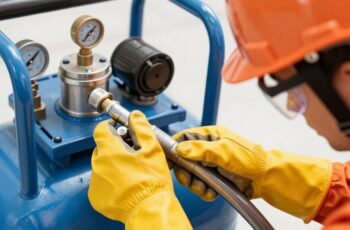
Wear PPE like goggles, ear protection, gloves, and masks for safe air compressor operation.
- Safety goggles or face shields to protect against flying particles and pressurized fluid leaks.
- Hearing protection such as earplugs or earmuffs, due to high noise levels during compressor operation.
- Protective gloves made from durable materials to prevent skin contact with hot or moving parts.
- Respirators or dust masks when working in dusty environments or with materials that generate airborne particulates.
Using this PPE ensures thorough protection, reducing injury risk during compressor operation and maintenance.
How to Properly Maintain and Inspect Air Compressors to Prevent Accidents?
To prevent accidents, we conduct regular inspections of air compressors, focusing on critical components like pressure relief valves, hoses, and gauges for signs of wear or damage. Adhering to a strict maintenance schedule guarantees that lubrication, filter replacement, and electrical checks are performed systematically and on time. Additionally, we emphasize the proper use of safety equipment during inspections and maintenance to minimize risk exposure.
Regular Inspection Procedures
How often should we inspect air compressors to guarantee they operate safely and efficiently? Regular inspections are essential, ideally performed weekly or before each shift. This ensures early detection of potential issues. Our inspection procedures should include:
- Checking for leaks: Examine hoses, fittings, and valves for air leaks using soapy water or ultrasonic detectors.
- Inspecting gauges and controls: Ensure pressure gauges display accurate readings, and safety controls function properly.
- Assessing lubrication: Verify oil levels and look for signs of contamination or degradation, replacing or topping up as needed.
- Examining belts and pulleys: Look for wear, cracks, or misalignment, tightening or replacing components to prevent sudden failures.
Consistent, detailed inspections help prevent malfunctions, reducing accident risk and prolonging compressor lifespan.
Maintenance Schedule Adherence
Maintaining a strict adherence to the established maintenance schedule is vital for guaranteeing air compressor safety and peak performance. Regularly scheduled tasks such as inspecting and replacing filters, draining moisture from tanks, and checking belts and couplings prevent component failure. Precise documentation of maintenance activities helps identify recurring issues and guarantees timely interventions. Lubrication must follow manufacturer specifications, using designated oils at prescribed intervals to minimize wear and overheating. Monitoring pressure gauges and temperature readings during routine inspections allows early detection of abnormal operation. Calibration of safety devices, such as pressure relief valves, should be conducted as scheduled to assure reliability. Consistent adherence to these intervals minimizes the risk of unexpected breakdowns and safety hazards, maintaining operational integrity and worker safety.
Safety Equipment Usage
Have we thoroughly inspected and maintained the safety equipment on our air compressors to prevent potential accidents? Regular checks are essential for reliable operation. To guarantee safety, we focus on:
- Pressure Relief Valves: Confirm they function properly by testing release pressure periodically, ensuring they open at preset limits.
- Safety Guards: Inspect guards for cracks, secure attachment, and cleanliness to prevent accidental contact with moving parts.
- Emergency Shutoff Devices: Test emergency stop controls monthly, verifying responsiveness and proper wiring.
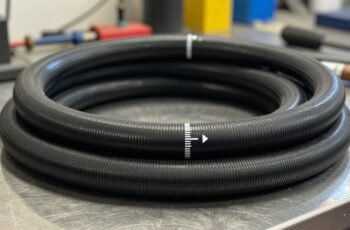
- Hoses and Fittings: Examine for leaks, cracks, and wear; replace damaged components immediately to prevent sudden failures.
Consistent inspection and maintenance of these safety components minimize risks and maintain compliance with safety standards.
Safe Operating Procedures for Using Air Compressors Effectively
To operate air compressors safely and efficiently, we emphasize thorough equipment inspections prior to use, ensuring all components are in ideal condition and free from damage. Proper handling techniques involve secure connections, controlled pressure adjustments, and adherence to manufacturer guidelines to prevent accidents. By systematically applying these procedures, we minimize risks and maintain consistent compressor performance.
Proper Equipment Inspection
How can we guarantee air compressors operate safely and efficiently? Regular, thorough equipment inspections are essential. We need to verify critical components before each use:
- Check for visible wear, corrosion, or damage on hoses, fittings, and belts.
- Ensure safety relief valves function correctly and aren’t obstructed.
- Inspect the compressor’s oil levels and pressure gauges for proper readings.
- Confirm that electrical connections are secure, with no frayed wiring or corrosion.
Correct Handling Techniques
Ensuring safe and effective operation of air compressors requires adherence to established handling techniques that prioritize control and stability during use. Proper handling involves securing hoses, maintaining a firm grip, and controlling pressure buildup. We must always verify connections before operation, avoid sudden movements, and stay alert to gauge pressure levels. Correct handling minimizes risks of hose whip or sudden discharges. To optimize safety, consider the following:
| Step | Technique | Precaution |
|---|---|---|
| Connecting hoses | Secure fittings tightly, check for leaks | Use compatible fittings to prevent disconnection |
| Operating controls | Use steady, controlled pressure application | Never override safety relief valves |
| During use | Maintain stable stance, avoid sudden jerks | Monitor pressure gauges constantly |
Recognizing and Addressing Common Air Compressor Hazards
Recognizing common air compressor hazards is essential for maintaining a safe working environment and preventing accidents. Being aware of potential issues allows us to implement timely controls and prevent injury or equipment failure.
Understanding air compressor hazards helps prevent accidents and ensures a safer, more efficient workspace.
- Over-pressurization: Excessive pressure can cause ruptures or component failures. Regularly monitor pressure gauges and ensure pressure relief valves are functioning properly.
- Air leaks: Leaks not only waste energy but can lead to sudden pressure drops, risking component damage. Conduct routine inspections for leaks and repair immediately.
- Electrical faults: Faulty wiring or improper grounding can cause electrical shocks or fires. Perform regular electrical system checks and ensure compliance with safety standards.
- Inadequate ventilation: Poor airflow can lead to overheating and moisture buildup, reducing compressor efficiency. Maintain proper ventilation and clear exhaust pathways.
Emergency Response Steps for Air Compressor-Related Incidents
When an air compressor incident occurs, swift and organized action is essential to minimize damage and protect personnel. First, immediately shut down the compressor using the emergency stop or main power switch to halt operations and prevent escalation. Next, assess the situation for hazards such as leaks, fires, or flying debris, and evacuate personnel from the immediate area if necessary. If a leak or rupture occurs, isolate the compressor from the system by closing relevant shut-off valves. For fires, activate the facility’s fire suppression system and alert emergency responders. Once the area is secure, document the incident details, including cause and impact, and prepare for a thorough investigation. Always follow established safety protocols and guarantee personnel are trained in emergency procedures.
Training and Certification Requirements for Safe Air Compressor Use
Proper training and certification are fundamental to maintaining safe air compressor operations, as they guarantee personnel possess the necessary technical knowledge and practical skills. Certified operators understand pressure vessel safety, proper startup and shutdown procedures, and routine maintenance protocols. They also recognize hazardous conditions that require immediate action. Key requirements include:
- Completing manufacturer-specific training programs covering operational controls, safety devices, and troubleshooting.
- Obtaining certifications such as OSHA-compliant compressed air safety courses or equivalent recognized credentials.
- Demonstrating proficiency in inspecting safety features, including pressure relief valves and gauges.
- Staying current with refresher courses and regulatory updates to assure compliance and safety standards are met consistently.
This systematic approach minimizes risk and promotes a safe working environment.
Implementing Workplace Safety Policies and Signage for Air Compressor Areas
Implementing clear workplace safety policies and installing effective signage around air compressor areas establish a structured environment that supports safe operations. These policies should specify operational procedures, emergency shutdown protocols, and maintenance schedules, guaranteeing all personnel understand their responsibilities. Signage must be standardized, visible, and include critical information such as hazard warnings, lockout/tagout instructions, PPE requirements, and emergency contact details. Proper placement of signs at entry points, control panels, and high-risk zones ensures immediate awareness of potential dangers. Regular review and updates of policies and signage are essential to adapt to operational changes or new safety regulations. This systematic approach enforces compliance, reduces risk of accidents, and fosters a safety-conscious workplace culture focused on prevention and rapid response.
Regular Safety Audits and Continuous Improvement in Air Compressor Safety
How can regular safety audits drive continuous improvement in air compressor safety? Consistent audits identify potential hazards, guarantee compliance with safety standards, and verify that safety protocols are effectively implemented. These evaluations reveal gaps in maintenance, training, or equipment, allowing us to address issues proactively. Regular audits also foster a safety culture where continuous improvement is prioritized.
Regular safety audits ensure compliance, identify hazards, and promote ongoing improvements in air compressor safety.
Key focus areas include:
- Inspection of safety devices: Confirming pressure relief valves and emergency shutoffs function correctly.
- Assessment of maintenance records: Ensuring scheduled servicing and repairs are up-to-date.
- Review of operator practices: Verifying adherence to safe operating procedures.
- Analysis of incident reports: Identifying patterns to prevent future hazards.
This systematic approach promotes ongoing safety enhancements, reducing risk and affirming compliance.
Frequently Asked Questions
How Often Should Air Compressors Be Inspected for Safety?
We suggest inspecting air compressors weekly for safety, checking for leaks, worn parts, and proper pressure levels. Additionally, perform a thorough monthly inspection and annual maintenance to guarantee peak operation and prevent potential hazards in your workplace.
What Are the Signs of an Air Compressor Malfunction?
Signs of an air compressor malfunction include unusual noises like knocking or squealing, excessive vibrations, pressure fluctuations, overheating, oil leaks, and decreased airflow. Recognizing these issues early helps prevent equipment failure and maintain safe, efficient operation.
Can Portable Air Compressors Be Operated Outdoors Safely?
Like a shield in a storm, our portable air compressors can be safely operated outdoors when we follow proper safety protocols, including avoiding moisture exposure, guaranteeing adequate ventilation, and inspecting for damage, to prevent hazards and secure ideal performance.
Are There Specific Noise Level Regulations for Air Compressor Areas?
Yes, there are specific noise level regulations, typically mandated by OSHA, requiring workplaces to maintain noise exposure below 85 dBA over an 8-hour work shift, and implement controls like barriers or hearing protection to guarantee safety.
How to Handle Air Compressor Leaks Safely?
We handle air compressor leaks safely by shutting off the equipment, ventilating the area, and using appropriate personal protective equipment; studies show leaks can release hazardous oils, emphasizing the need for prompt, controlled containment to prevent exposure.
Conclusion
By rigorously adhering to safety protocols, we minimize risks and protect both personnel and equipment, transforming potential hazards into controlled, manageable processes. Just as precise maintenance and vigilant inspections prevent failures, thorough training and clear signage foster a safety-conscious culture. In this meticulous environment, the juxtaposition of technical diligence and proactive awareness ensures that safety remains an integral, seamless part of our daily operations, safeguarding everyone and optimizing compressor performance.